Diagnosis · Updated 22 August 2026
Why these slideshow hooks worked
These slideshow hooks worked, but similar numbered lists from the same creator went nowhere near as far. Compare the outliers with ordinary posts.
These slideshow hooks worked, but the same creator also posted similar numbered lists, health topics, gym topics, and cartoons that went nowhere near as far. The opening is part of the answer. It is not the whole answer.
The better diagnosis is that opening, format, and topic–proof loop supported the same promise. We can get there by comparing the cited winners with ordinary posts from the same account rather than turning an X explainer into a bag of lines to copy.
This is an independent case study of public third-party content, not a reels.chat campaign or customer result. reels.chat did not create or publish the content and has no private campaign analytics for it.
The symptom: real winners are being mistaken for a formula
The starting point is Ky’s “3 viral slideshow hooks” X explainer, published on 21 August 2026. It cites TikTok photo posts as examples of hooks that worked.
Public counters for two cited posts on @optimise_ (nickname samshop) were captured on 22 August 2026.
Five photo posts, one creator, the same slideshow language
These are photo posts, so the first slide is the cover. Open TikTok for the rest of the sequence.
Creator-relative breakouts
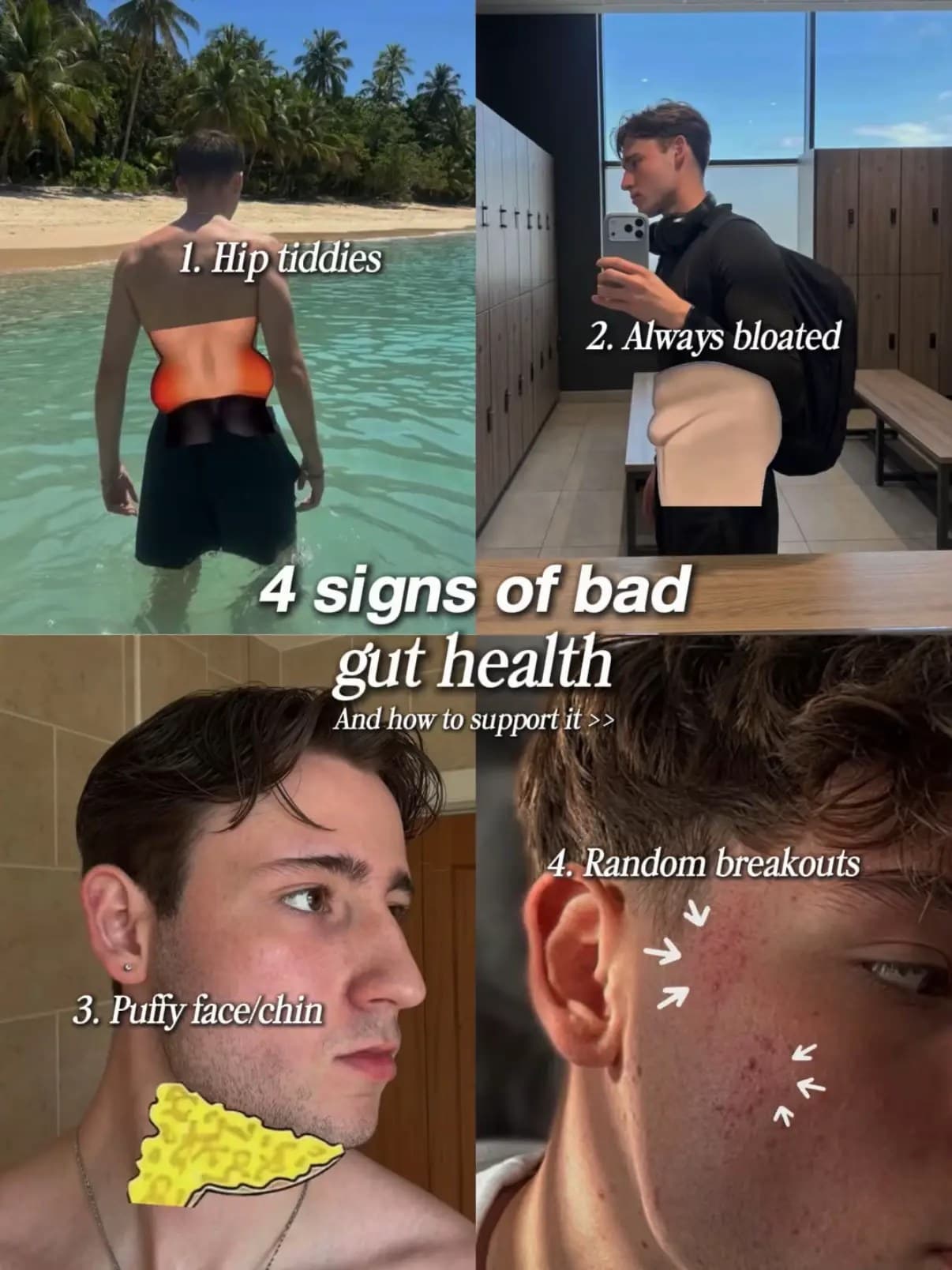

4 signs of bad gut health, paid off across a seven-image photo post.
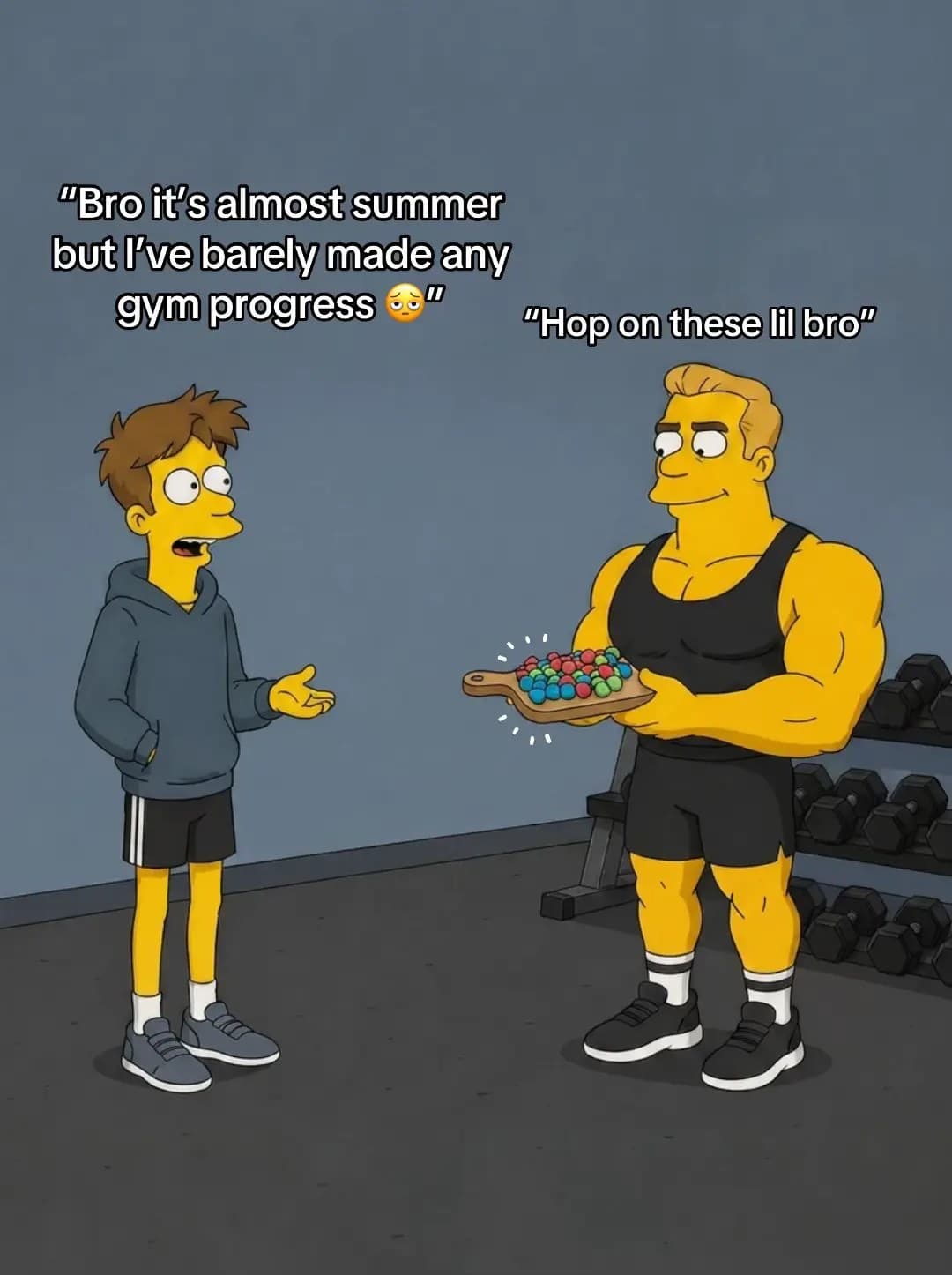
A Simpsons gym cartoon that carries a supplement idea across eight images.
Matched ordinary controls
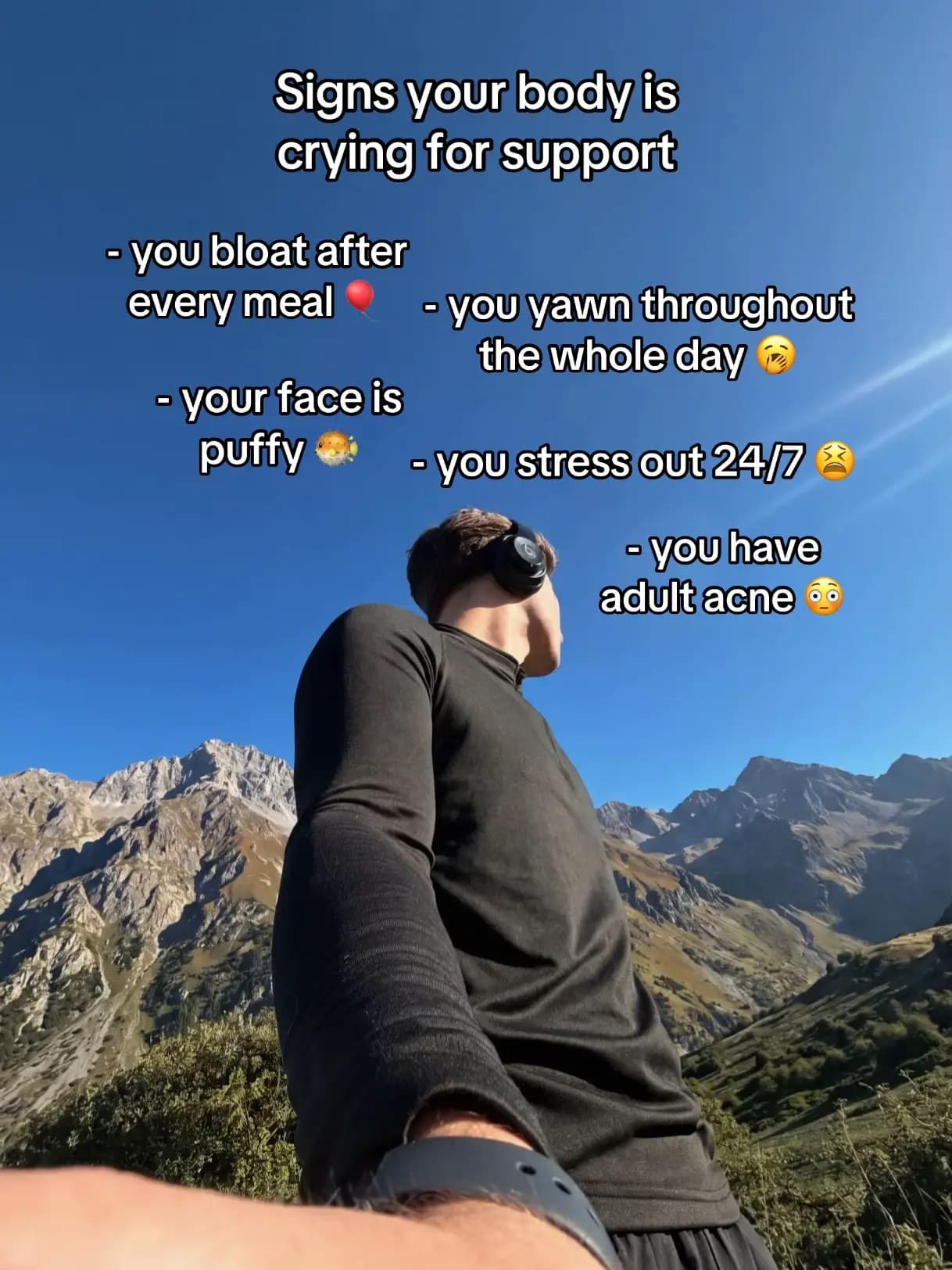
Here’s 5 indicators of poor gut health, posted the day before the cited winner.
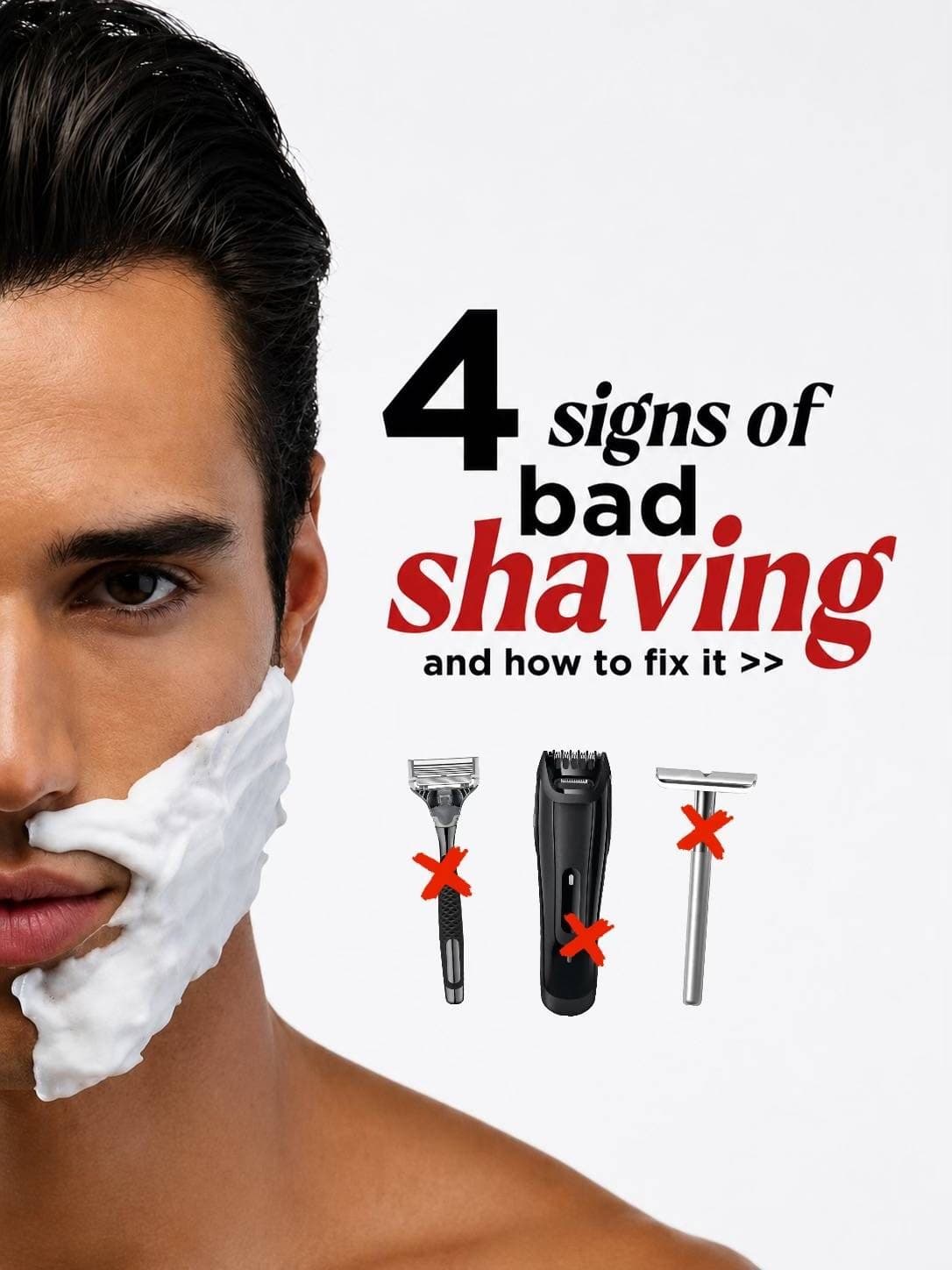
4 signs you’re shaving the wrong way, same numbered shape, ordinary result.
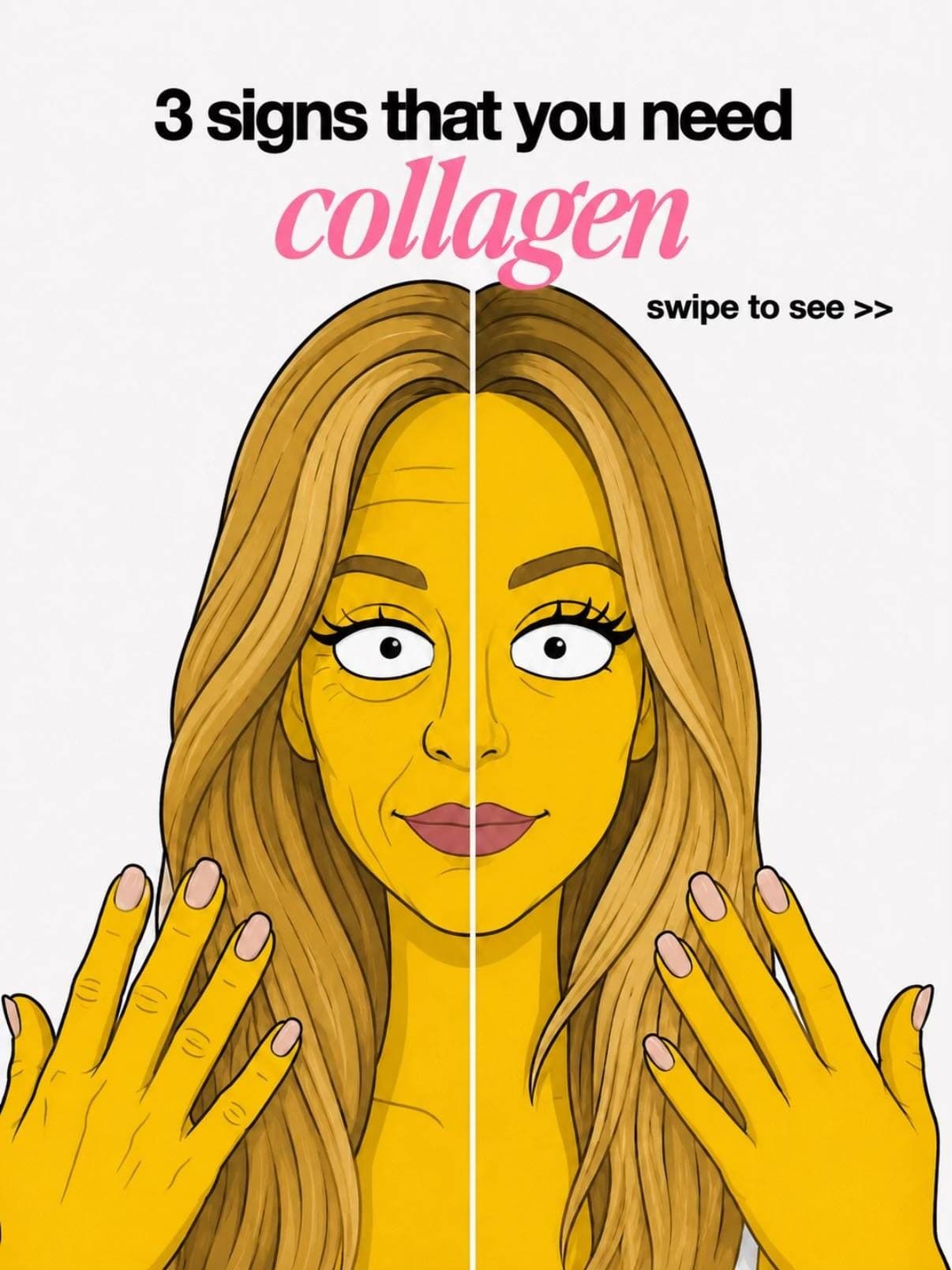
Demonstrating 3 signs of collagen loss in simpsons style.
These are public counter snapshots, not retention curves. Counts can move. In fact, the gut-health post gained two plays between two calls in the same research session, while the Simpsons post’s comment count moved from 87 in the direct hydration to 88 in the creator feed. The later snapshots are used here.
The comparison set is still small, but it is much better than two winners:
- A nearby slice contained 20 photo posts from the same creator dated 1–6 May. Its median was 29,336 plays, including the 2.9 million-play gut-health winner.
- Another nearby slice contained 15 photo posts dated 27–29 April. Its median was 49,917 plays, including the 1.24 million-play Simpsons winner.
- The latest 20 creator posts spanned 26 June–1 August. Their median was 11,334 plays. The eight photo posts within that set had a median of 3,114.5.
The cited gut-health post reached about 99 times its nearby slice median. The Simpsons post reached about 25 times its nearby slice median.
This tells us the winners were genuine outliers for the account. It does not tell us that TikTok broadly prefers either hook. One tweet and one creator are not prevalence wearing a nice jacket.
This diagnosis is useful when you have public winners and enough same-creator posts to form controls. It cannot explain private retention, paid distribution, conversions, or why an unpublished draft failed. Those questions need account analytics or a controlled test.
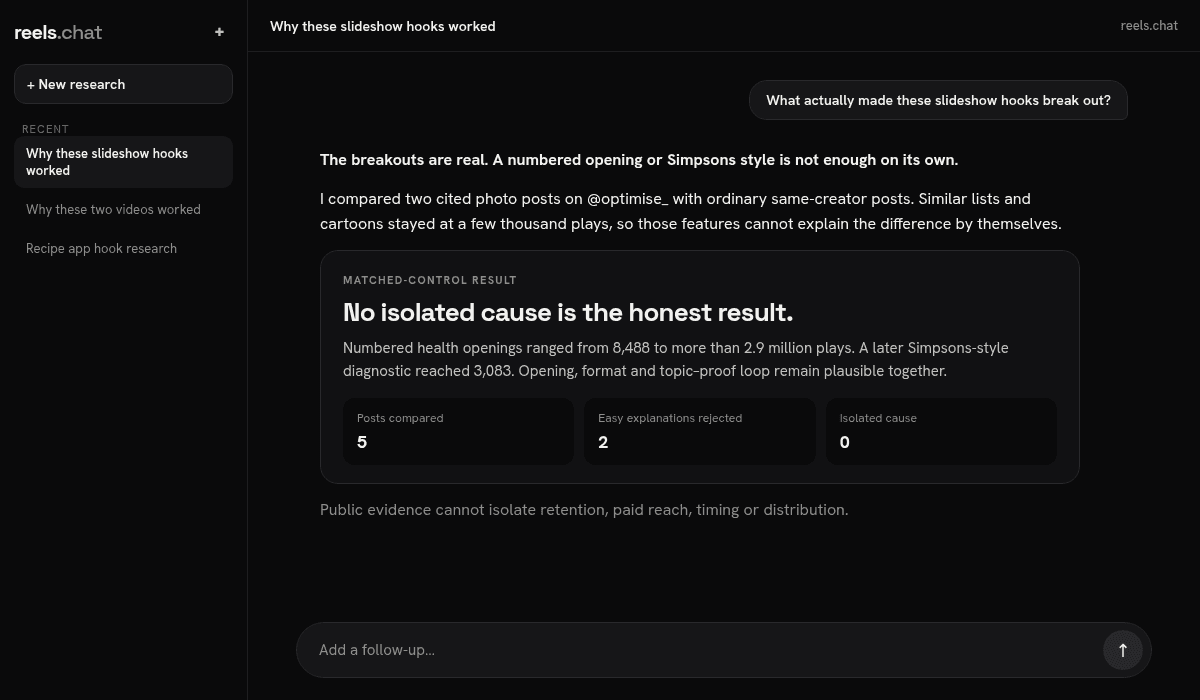
Reconstructed from this diagnosis in the live product chrome. The useful result was a narrower claim, not a hook list to copy.
Start with a beat sheet, not the hook list
A beat sheet strips the explainer down to its moves. This stops good narration from quietly upgrading a correlation into a cause.
The defensible beat sheet is:
- Opening claim: several slideshow hooks are presented as viral examples worth studying.
- Example reveal: cited TikTok photo posts supply the concrete cases.
- Proof beat: public view counts make the examples feel earned rather than hypothetical.
- Pattern beat: the examples are grouped by their openings and formats.
- Implied action: the viewer is invited to reuse the pattern in their own content.
The jump happens between beats four and five. The explainer has found winners, then described visible features of those winners. It has not run an experiment where only the opening changed.
That does not make the explainer useless. It gives us hypotheses. The same-creator controls tell us which easy explanations fail.
Separate three possible causes
Each layer needs a different confirmation test and a different creative decision.
| Possible cause | What the public evidence supports | What a reader could test |
|---|---|---|
| Opening | The cited openings bound a question or situation, but similar same-creator posts with familiar subjects remained ordinary | Rewrite only the first slide while keeping the subject and visual treatment close |
| Format | The slideshow makes sequential proof easy to consume, while similar photo-post containers also produced ordinary results | Keep the idea, then compare the slideshow structure with a different suitable execution |
| Topic–proof loop | The stronger examples keep answering the opening with recognisable evidence, while weaker posts drift or offer less specific proof | Choose a claim that can be paid off across the sequence, then make every slide advance it |
Several causes can be true together. Treating them as rivals would be tidy and probably wrong.
Cause 1: the opening creates a bounded question
“4 signs of bad gut health” is specific in a useful way. It gives the reader a finite set and a personal question: do any of these signs apply to me?
The number creates a boundary. The reader knows there are four items to inspect, and a seven-image sequence has room to pay off that promise. Continuing is part of getting the answer.
Then the controls ruin the easy version of this theory.
On 4 May, the creator published a seven-image post captioned “Here’s 5 indicators of poor gut health.” It had 8,488 plays in the public snapshot. The cited seven-image post, published the next day in the same topic family, had 2,906,642. That is about 342 times as many plays.
Another seven-image “3 signs of BAD gut health” post from 4 May did reach 1,568,609 plays. “Top 3 gut health warning signs” reached 184,122 on 5 May. A seven-image post captioned “…signs of POOR gut health” reached 13,143 on 6 May.
So a numbered health diagnostic was neither sufficient nor consistently weak. Small changes inside the opening and execution may have mattered a lot. The public counters cannot tell us which change did the work.
How to test the opening
Choose one topic and one visual treatment. Draft first slides with meaningfully different promises, then keep the remaining sequence as stable as practical.
If you change the hook, art style, topic, and slide count together, you have created several new posts and learned almost nothing about the opening. Very productive. Scientifically useless.
Cause 2: the slideshow makes the promise easy to consume
Both cited examples are photo posts: seven images for gut health and eight for the Simpsons gym post. The sequence can give each idea its own visual space and turn continuation into a small repeated action.
But eight images clearly did not manufacture a winner.
The 27–29 April slice contained eight-image posts at 2,382, 10,361, 83,299, 487,288, 579,721, and 1,242,041 plays. Several were in the same gym or supplement territory. Same account, same narrow date window, same image count, wildly different outcomes.
The latest feed adds another useful control. A seven-image post titled “4 signs you’re shaving the wrong way” had 3,146 plays on 1 July. It borrowed the numbered self-diagnosis shape and matched the cited gut-health winner’s image count. It did not borrow the result.
“Make it a slideshow” is not the lesson. The format helped the creator unfold promises suited to sequential delivery. Seven or eight images were containers, not causes.
How to test the format
Take one idea and build it twice: once as a photo post where each slide advances the answer, and once in another format. Keep the claim close.
The comparison will still be imperfect, but it can tell you more than comparing a gut-health carousel with an unrelated talking-head video posted six weeks later.
Cause 3: the topic keeps proving the opening
The gut-health opening can be paid off item by item. Each slide can answer part of the self-assessment created at the start.
The Simpsons gym post uses a recognisable fictional world to carry a gym and supplement idea. We can verify the topic, format, caption, and public result. We should not reconstruct exact slide copy that was not captured in the research notes.
Recognition alone still fails as an explanation. On 29 June, the same creator published a seven-image post captioned “Demonstrating 3 signs of collagen loss in simpsons style.” It had 3,083 plays. The cited Simpsons gym post had 1,242,041, about 403 times as many.
That later post is not a controlled replica. It changes the topic, date, product context, and likely the artwork. It is useful because it kills the lazy conclusion that “Simpsons style goes viral.”
The better hypothesis is a topic–proof loop. The opening creates a question or recognisable situation. Every later slide supplies another piece of the answer. When copied hooks fail, this is often the missing part: slide one opens a large curiosity gap, then the rest of the post returns generic advice.
How to test the topic–proof loop
Before publishing, write the promise from slide one at the top of a page. Under every later slide, write one sentence explaining how that slide pays down the promise.
If two slides have the same explanation, combine them. If a slide has no explanation, remove it. If the final slide introduces a different subject, the post has probably wandered.
This is a boring check. Good. Boring checks are cheaper than deciding the algorithm had a personal issue with slide six.
Several causes can be true at once
Opening, format, and topic–proof loop may have worked together. The public evidence cannot assign a percentage of the result to any of them, or to timing, distribution, and anything else TikTok did after publication. There is no controlled test or retention curve.
We also know about these posts because an explainer selected them after they won. We do not have a complete denominator of attempted hooks from which to estimate a success rate.
What we can say is narrower:
- The two cited posts were large same-creator outliers in the slices checked.
- Similar image counts appeared on posts with far lower play counts.
- Similar numbered health openings ranged from 8,488 to more than 2.9 million plays.
- A later “simpsons style” diagnostic reached 3,083 plays, so the cartoon treatment did not travel automatically.
- The opening, format, and topic–proof loop remain plausible combined causes. None has been isolated.
That is enough to design a cleaner test. It is not enough to announce a universal hook formula or a platform-wide trend.
What these case studies suggest testing
If you want to test these mechanisms on your own content, leave the copied openings behind and use a small test plan.
- Pick one topic your audience already has reason to care about.
- Write a first slide that creates a bounded question or immediately recognisable situation.
- Make every following slide answer part of that opening.
- Keep the visual treatment readable and consistent.
- Compare the result with ordinary posts from the same account, especially posts using a similar format.
- Record what changed. Avoid crediting the hook when you also changed the topic and execution.
If the post works, repeat the mechanism with a new subject. If it does not, diagnose the three layers separately. A weak opening needs a different promise. A weak format needs a clearer sequence. A weak topic–proof loop needs better material after slide one.
The parent method, why this video worked, is the next reference for that work: define the symptom, list materially different causes, confirm each cause, then change the smallest thing that tests it.
These two photo posts are worth studying because the public numbers held up and the controls sharpened the question. Their most useful feature is not wording to steal. It is the agreement between what the first slide asks, how the slideshow unfolds, and what the topic can prove next.
The same three-cause check now covers more photo posts: Stronger “he hates me”, Costco snack list, easyStars sister-taboo, CareSkin acne glow-up, red-flag-to-keeper, and datingwithmads. More sit on the video diagnoses hub.
Keep reading
Diagnosis
TikTok hold rate: when the hook works but viewers leave
Diagnose a weak TikTok hold rate after the hook by checking the promise, pacing, audience fit, and the exact retention metric you are reading.
Diagnosis
Why this CareSkin before-and-after TikTok slideshow worked
A 12.5M CareSkin before-and-after TikTok slideshow mixed an acne glow-up, an app reveal, and product proof. See what the evidence supports.
Diagnosis
Why this Costco snack-list TikTok slideshow worked
A 9.6M Costco snack-list TikTok slideshow put a useful list before the app reveal. See which parts of the app-marketing format are worth testing.