
Diagnosis · Updated 24 August 2026
Why easyStars' three-slide TikTok story worked
A 12.5M easyStars TikTok slideshow told an astrology story in three frames. See how its question, app reveal, and taboo payoff worked together.
The easyStars sister-taboo slideshow reached 12,478,225 plays with three images: a soulmate question, the app’s portrait, and an answer that made the portrait socially awkward.
That sounds like a hook formula until you compare it with the account around it. The latest 30 photo posts had a median of 318,557.5 plays. The cited post ran at 39.17 times that baseline. Eight other three-slide easyStars and soulmate posts in the same window stayed between 6,514 and 78,375 plays.
The format was common. The outcome was not.
This is an independent case study of public third-party content, not a reels.chat campaign or customer result. reels.chat did not create or publish the content and has no private campaign analytics for it.
First, establish what the three-slide TikTok story did
TikHub’s direct hydration captured the cited photo post at 04:27 UTC on 24 August 2026. It recorded 12,478,225 plays, 17,150 likes, 83 comments, 399 shares, and 1,016 saves. A creator-feed response from the same day showed 92 comments for the same post, so even two public API surfaces did not perfectly agree.
The post was published on 17 January 2026. Its caption tags easyStars, the soulmate trend, and #ad. The creator profile had 2,725 followers in a same-day capture.
One breakout and eight ordinary three-slide controls
Ratios use the 318,557.5-play median across the latest 30 photo posts. Counters were captured on 24 August 2026.
Creator-relative breakout
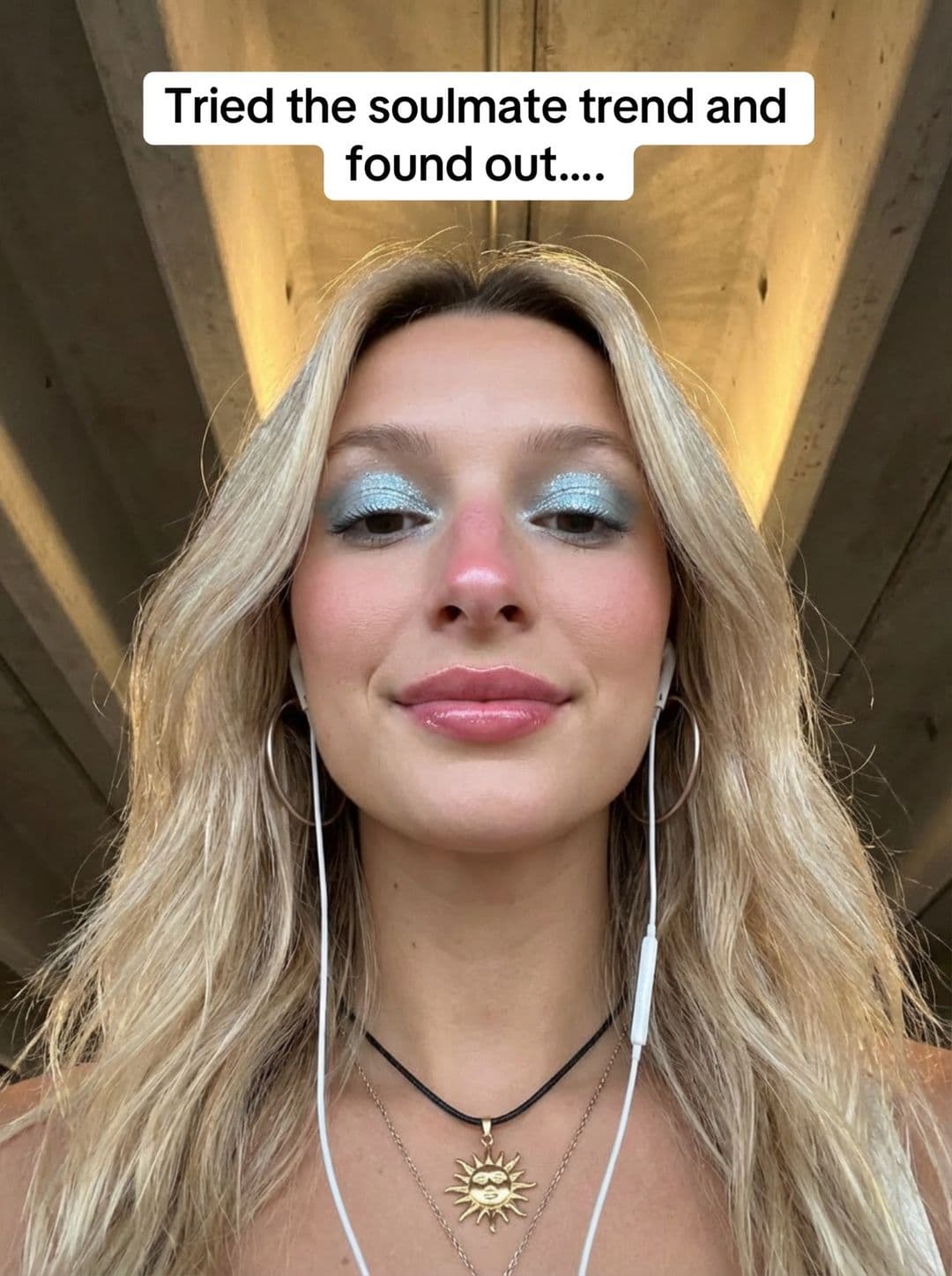

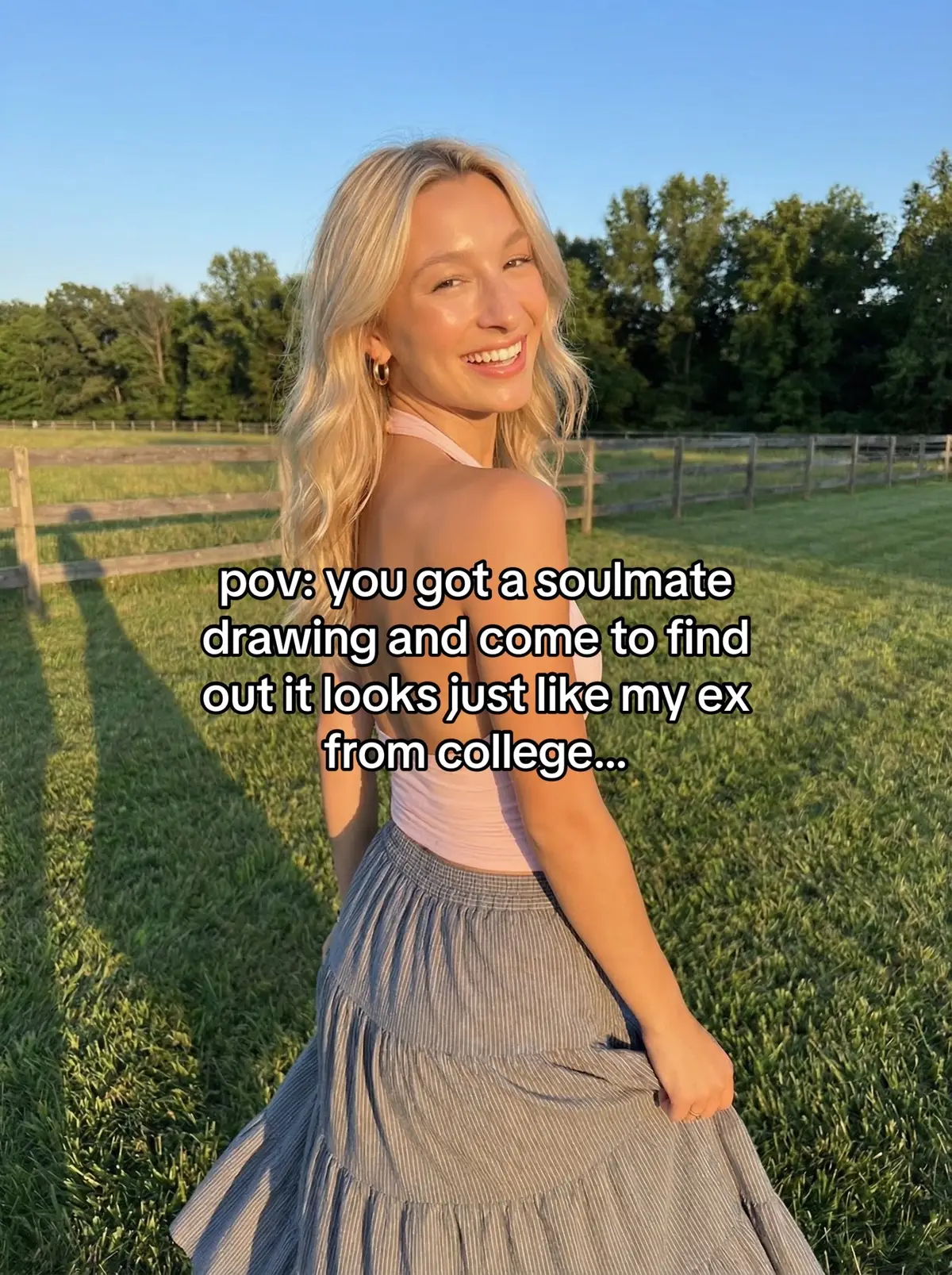
Soulmate trend setup, easyStars portrait, then the sister’s-boyfriend reveal.
Ordinary same-creator controls
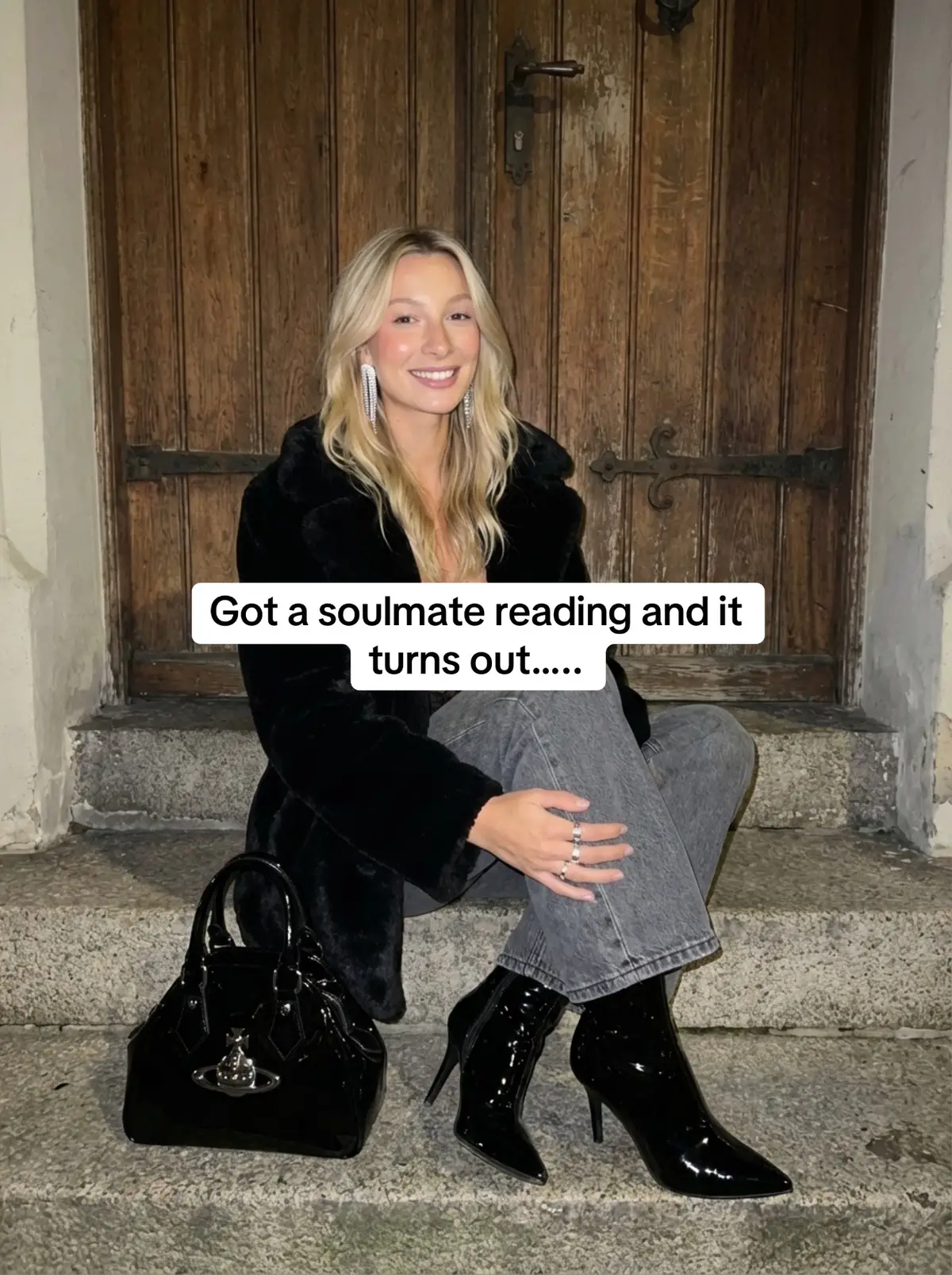
Another three-slide easyStars soulmate story: “To be or not to be?”
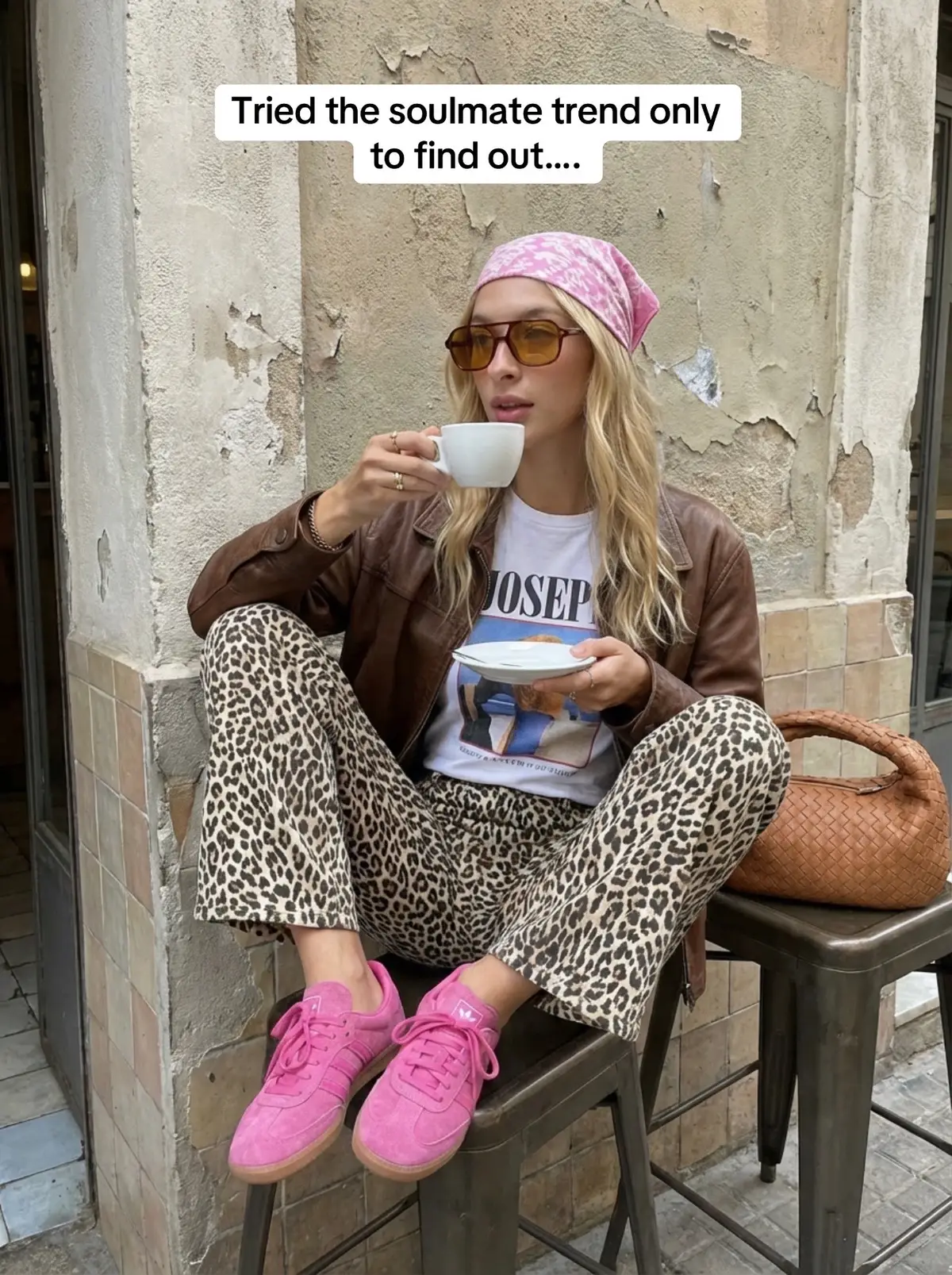
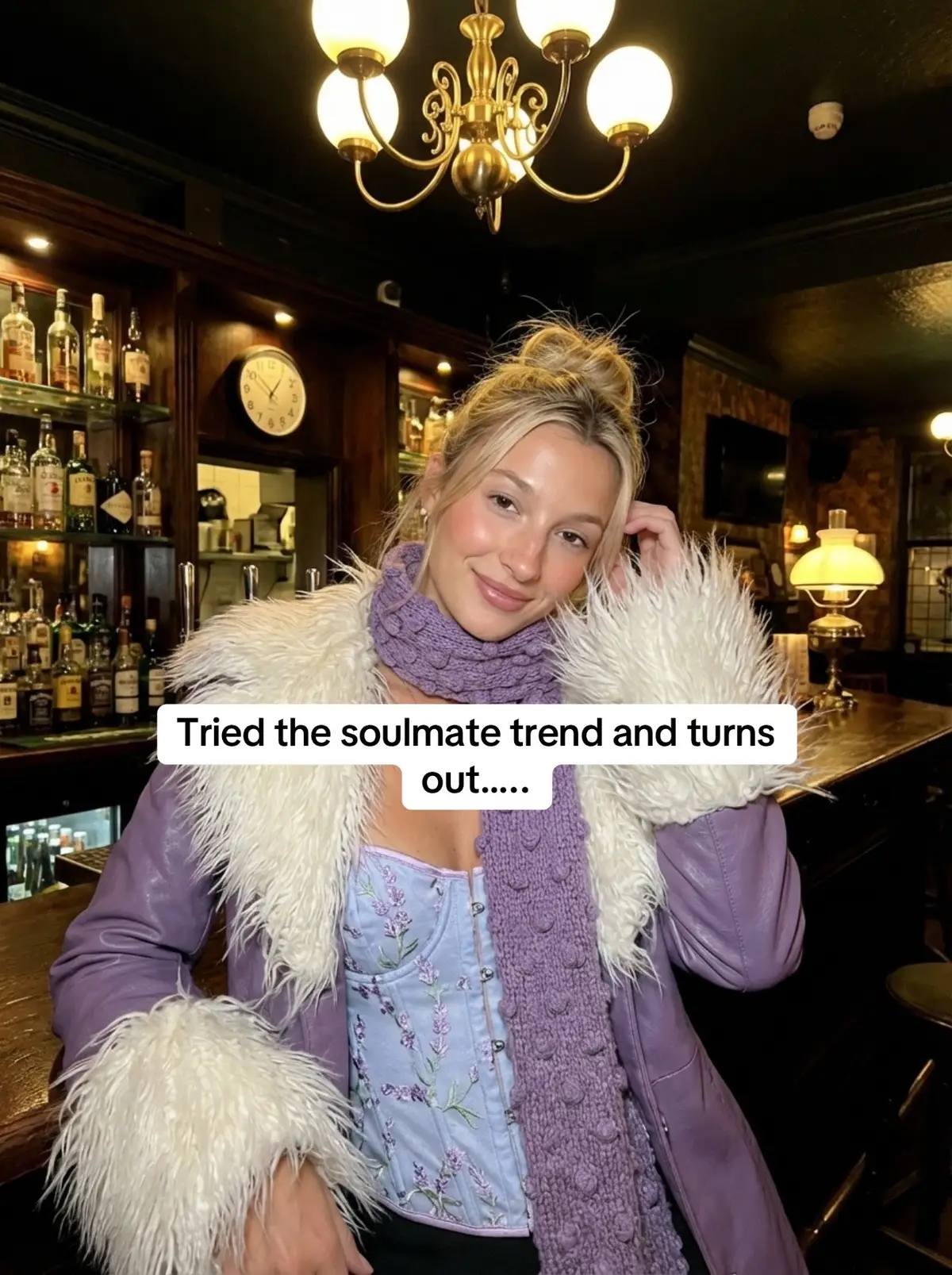
A three-slide easyStars post tagged scandal, scandalous media, and soulmate.
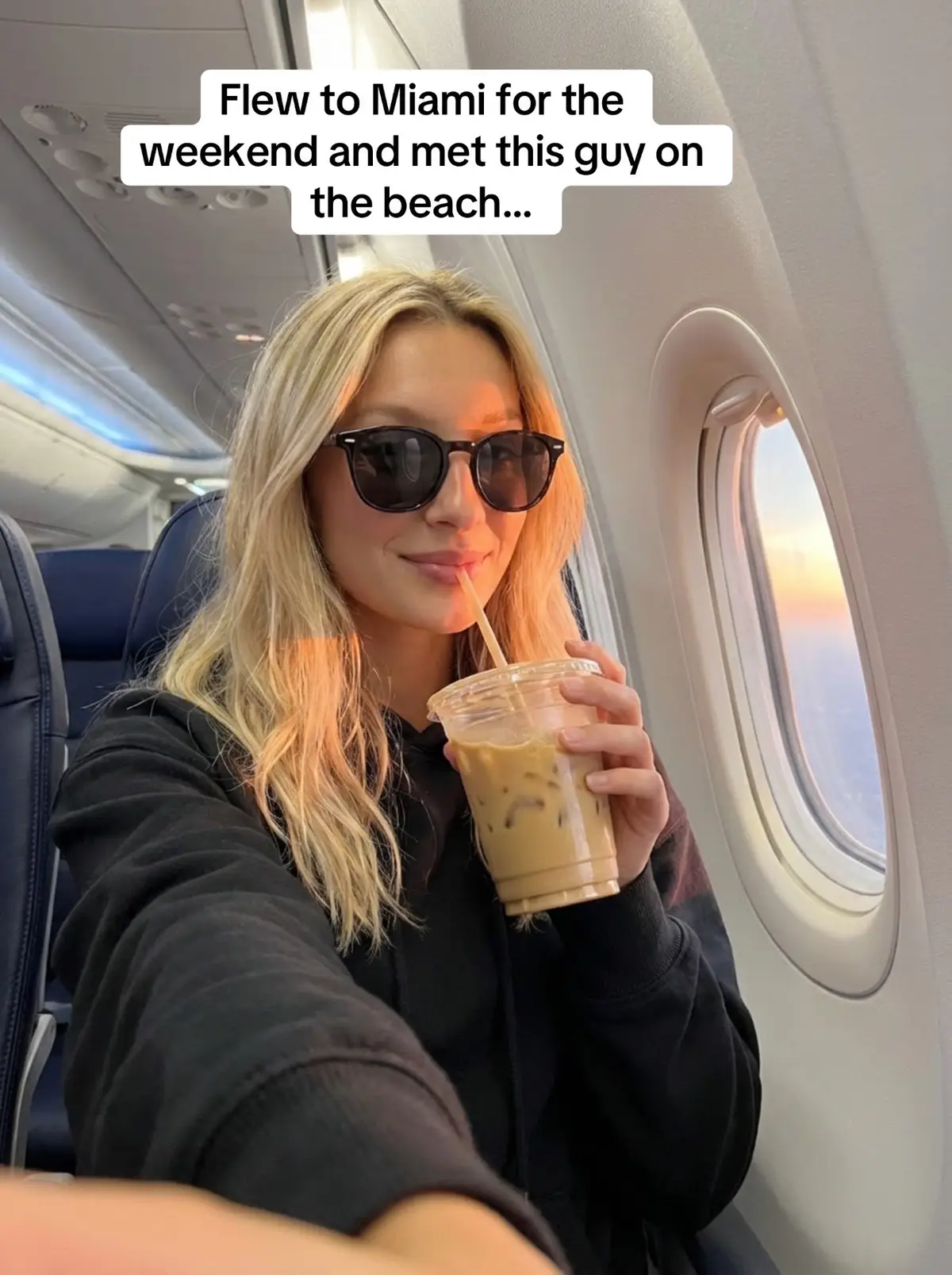
A three-slide easyStars soulmate drawing framed around a call from Miami.
A three-slide easyStars soulmate drawing: “Might end up married.
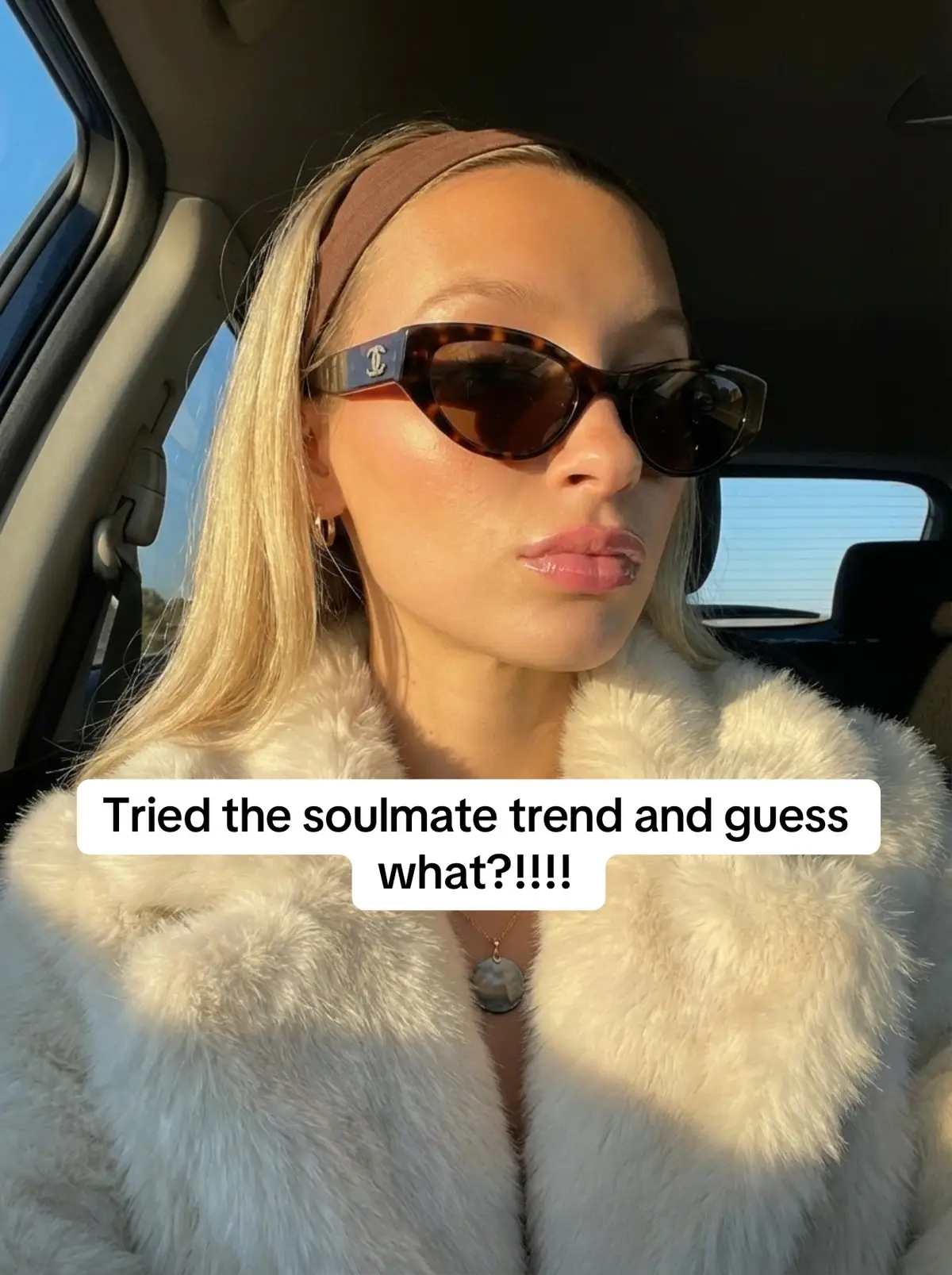
A three-slide easyStars post tagged cheating boyfriend and ex-boyfriend.
A three-slide easyStars coworker-to-soulmate story: “I’m thinking yes.”

A three-slide easyStars soulmate story framed as giving a second chance.
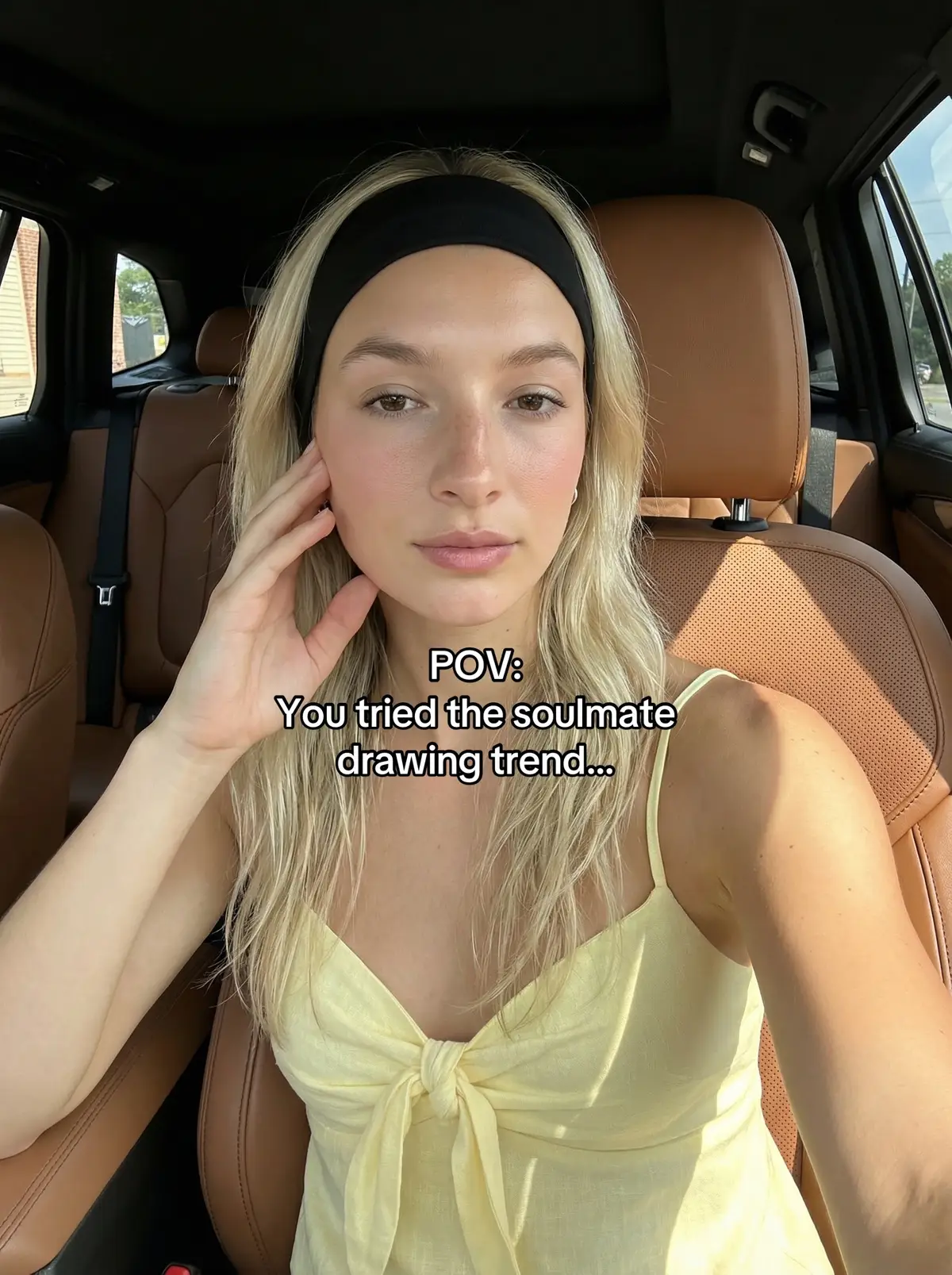
A three-slide easyStars post tagged soul ties and soulmate drawings.
Those cards matter more than a retelling of the winner. All 30 posts in the latest control window were photo posts, spanning 2 December 2025 to 3 February 2026. The median across the full set was 318,557.5 plays. That gives us an account-relative result without pretending the eight lowest controls represent the whole feed.
The eight displayed controls are deliberately concrete counterexamples. They use the same three-slide format and sit in the same easyStars, soulmate, ex, coworker, scandal, or relationship territory. Their median was 46,836.5 plays, but that number is not the baseline because the set was selected from the low end. The 39.17× ratio against all 30 latest photo posts is the defensible comparison.
An X explainer supplied the initial hypothesis about this post. It did not supply prevalence, retention, revenue attribution, or a controlled experiment. One X explainer is not prevalence wearing a screenshot.
The beat sheet: question, evidence, trouble
The useful unit here is not a list of words to steal. It is the order in which the viewer receives information:
- Question: the creator says she tried the soulmate trend and “found out.”
- Evidence: an easyStars card shows a generated portrait labelled “Your Soulmate.”
- Trouble: a real photo identifies the supposed match as her sister’s boyfriend.
Each slide changes the job of the previous one. Slide two answers the vague question from slide one with a face. Slide three turns that face from an app result into a social problem. The product is not waiting outside the story for a logo reveal. It produces the object that causes the ending.
Here are the captured slides, in order.
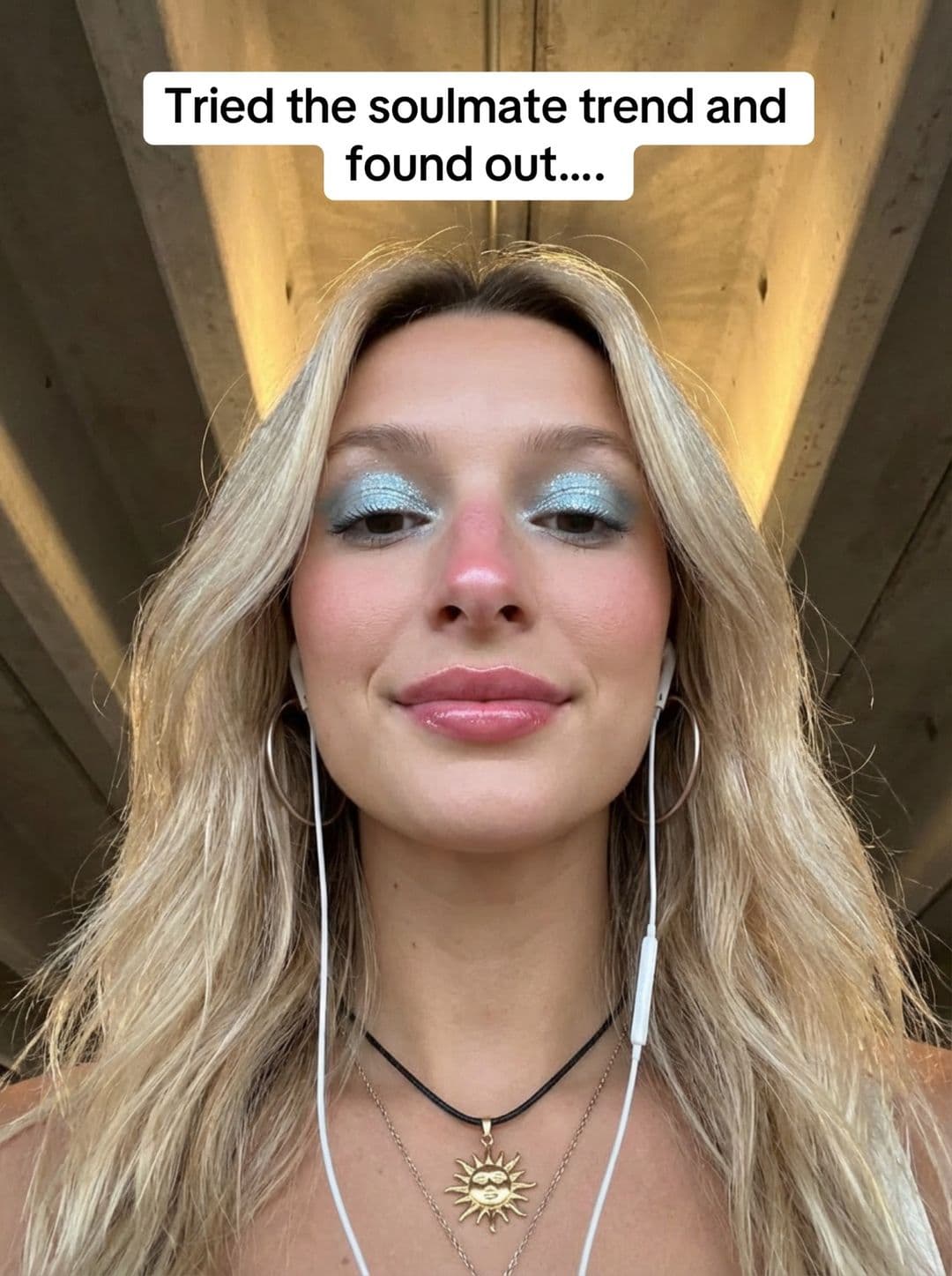
Slide 1 of 3, captured 24 August 2026 at 04:27 UTC. A close selfie opens the soulmate question.
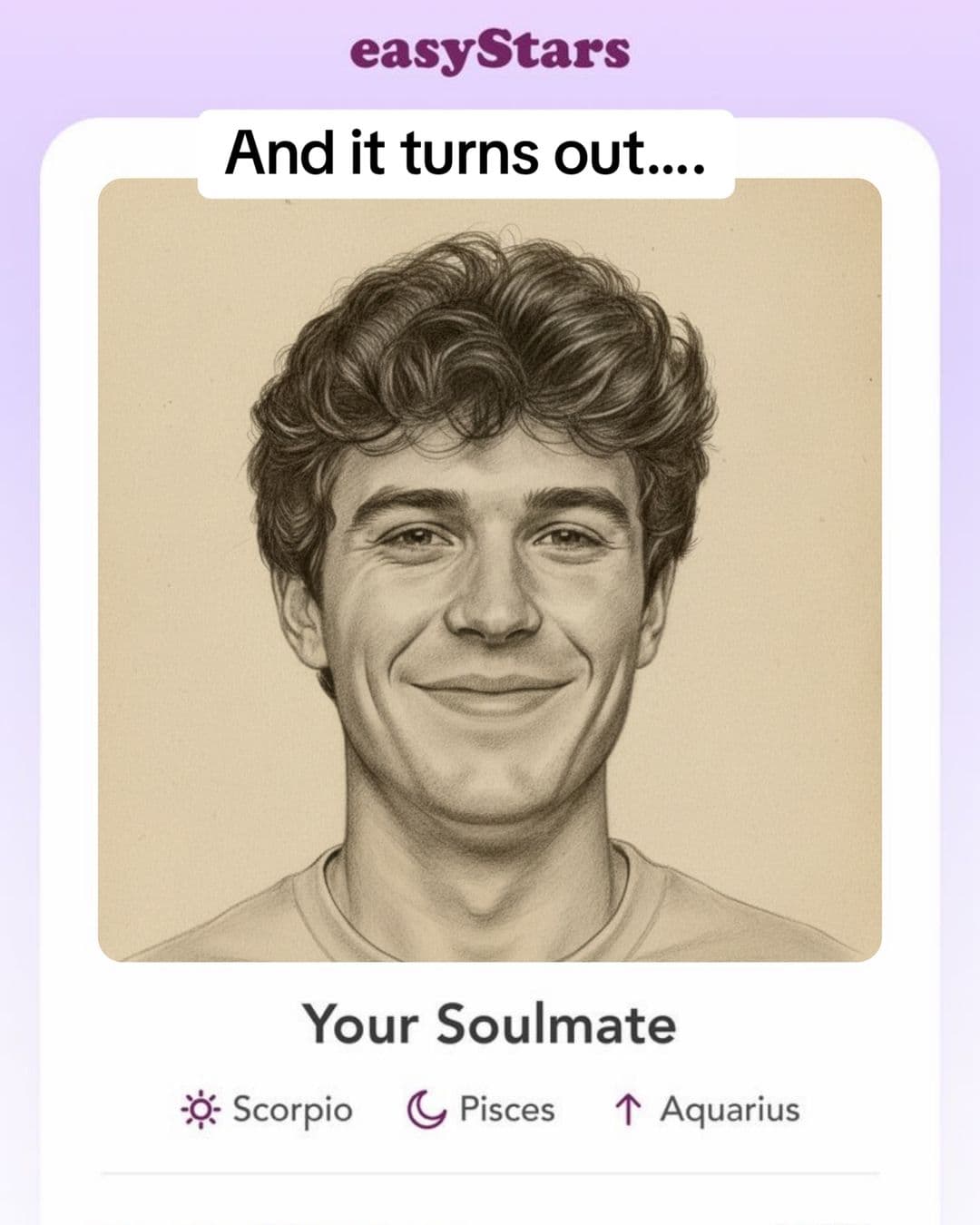
Slide 2 of 3, captured 24 August 2026 at 04:27 UTC. The app supplies the portrait the opening promised.

Slide 3 of 3, captured 24 August 2026 at 02:32 UTC. The photographed match is labelled as the sister’s boyfriend.
This sequence is compact, but compact is not the same as simple. Three plausible causes are bundled together: the opening, the photo-post format, and the topic–proof loop.
| Possible cause | What the public evidence supports | What a reader could test |
|---|---|---|
| Opening | The first slide creates one answerable relationship question, but similar soulmate and scandal openings also stayed ordinary | Keep the proof and payoff fixed; compare meaningfully different first-slide promises |
| Format | Three stills make the question, generated portrait, and social consequence visible, but the same three-slide container appeared in ordinary controls | Preserve the three beats; compare photo mode with another suitable container |
| Topic–proof loop | The app produces the portrait needed for the final reveal, so the product is part of the story rather than a detached logo | Keep the question and ending; compare specific product evidence with a generic or absent product result |
Cause 1: the opening creates one answerable question
“Tried the soulmate trend and found out....” does not explain the app, the astrology, or the relationship. It gives the viewer one job: find out who appeared.
The selfie helps the setup read as a personal discovery rather than a product tour. The existing trend supplies enough context that the post can delay the app for one slide. A viewer does not need to understand every feature. They only need to expect a person.
But the controls kill the lazy version of this explanation. Other posts in the same account used soulmate language, relationship tension, and three slides. One teased scandal and reached 20,867 plays. Another tagged a cheating boyfriend and ex-boyfriend and reached 55,245. Another soulmate drawing asked whether she might end up married and reached 38,428.
Personal relationship curiosity was present without producing 12.5 million plays. So was the three-slide container. The first slide remains a plausible contributor, but “open with soulmate drama” is not supported as a sufficient cause.
How to test the opening
Keep slides two and three fixed. Test meaningfully different first-slide promises: a direct identity question, a trend-led confession, and a product-led result. Measure swipe-through and completion if the account provides them, then compare public reach with the account’s normal range.
Changing the opening, portrait, ending, caption, and posting time together will produce two finished ads and no clean lesson. Busy, yes. Controlled, no.
Cause 2: three stills make the causal chain visible
The format gives each beat its own frame. There is no spoken preamble and no interface walkthrough. A swipe moves from person, to generated evidence, to the person that evidence supposedly depicts.
That economy probably helps comprehension. It also makes the middle slide unusually strong product placement: easyStars appears exactly when the viewer needs an answer. Removing the screenshot would break the story.
Still, the format did not manufacture the result. Every displayed control also has three slides. The lowest reached 6,514 plays. The highest reached 78,375. The winner had more than 159 times the plays of that highest displayed control.
Three frames are a container. They can make a good sequence legible, but they cannot rescue a weak promise or an ending that has wandered into another story.
How to test the format
Build the same truthful premise twice. Version one is a three-slide photo post. Version two is a short video with the same setup, product evidence, and payoff. Keep the wording and visual evidence as close as practical.
This will not isolate every platform effect, but it is cleaner than comparing this slideshow with an unrelated talking head. The DX-002 diagnosis method applies the same discipline: name materially different causes, then change the smallest thing that can test one.
Cause 3: the product proof creates the ending
The strongest hypothesis is the relationship between slides two and three.
The app does not interrupt the story to demonstrate a feature. It generates the face that the final slide identifies. The ending then changes the meaning of the screenshot. What looked like a harmless soulmate result becomes awkward because the viewer can compare the portrait with a photograph.
That is a topic–proof loop: the opening asks a question the product can visibly answer, and the final beat makes the answer consequential. A viewer retelling the plot has to mention the app result because the plot does not work without it.
This is more transferable than “use taboo.” A shock can earn attention while leaving the product forgotten. If slide three introduced a completely different scandal, the post might still be dramatic, but the screenshot would become a toll booth in the middle.
It is also only a hypothesis. We do not have slide-level retention, rewatches, installs, or a matched version with a different ending. Public counters cannot assign percentages of the outcome to the trend, face match, taboo, format, distribution, or timing.
Two popular claims do not survive the evidence
The first is that a comment war explains the reach. The direct hydration showed 83 comments against 12,478,225 plays. The creator feed showed 92. Those counts do not reveal what people said, and neither establishes an argument large enough to cause distribution. Without coding the comments or seeing a time series, “comment war” remains the explainer’s description.
The second is that the post proves a revenue engine. There is no install attribution, subscription report, or revenue record in this evidence. The post plainly disclosed an ad and gave the product a central narrative role. That supports a creative diagnosis. It does not let public plays become private monthly revenue through enthusiastic repetition.
The same restraint applies to causality. This was a real 39.17× account-relative outlier. Similar three-slide easyStars posts stayed ordinary. That falsifies “three slides plus soulmate topic is enough.” It does not prove the sister reveal caused the remaining difference.
What this case study suggests testing
If you want to test the mechanism on your own content, use the sequence as a testable structure:
- Open one precise question that belongs to the audience’s existing context.
- Let the product produce evidence needed to answer it.
- Make the ending resolve that exact question and change how the evidence is understood.
- Keep the creative truthful. Surprise does not require inventing a family crisis.
- Compare the result with the account’s own recent median and matched ordinary posts.
Then isolate the layers. Change the opening while preserving the proof and payoff. Change the container while preserving all three beats. Change the final reveal so one version closes the opening and another wanders.
If the direct-payoff version repeatedly wins, the topic–proof loop has earned more confidence. If every version moves together, the broad subject or distribution may matter more. If none beats the account baseline, the original was probably less portable than the hook list promised.
The easyStars post is worth studying because its product screenshot is structurally necessary and its result was genuinely exceptional for the account. The eight ordinary controls stop us from crediting the format alone. The public counters stop us from crediting an unverified comment war.
Copy the discipline: question, evidence, consequence. Leave the sister’s boyfriend out of it. He has been through enough.
A skincare app does the same product-as-proof job in why the CareSkin acne glow-up slideshow worked.
Keep reading
Diagnosis
TikTok hold rate: when the hook works but viewers leave
Diagnose a weak TikTok hold rate after the hook by checking the promise, pacing, audience fit, and the exact retention metric you are reading.
Diagnosis
Why this CareSkin before-and-after TikTok slideshow worked
A 12.5M CareSkin before-and-after TikTok slideshow mixed an acne glow-up, an app reveal, and product proof. See what the evidence supports.
Diagnosis
Why this Costco snack-list TikTok slideshow worked
A 9.6M Costco snack-list TikTok slideshow put a useful list before the app reveal. See which parts of the app-marketing format are worth testing.