Diagnosis · Updated 24 August 2026
Why this dark-psychology listicle TikTok slideshow worked
An 11.7M dark-psychology listicle became a TikTok slideshow case study. Date the sample, then separate its taboo hook, format, and payoff.
This dark-psychology slideshow reached 11,673,916 plays. Then the same account reused the same puppet-hand opening twice and reached 70,209 and 65,016.
That is the useful finding. The opening may have helped the original travel, but it was not a formula. The six slides worked as one 2023 outcome, and the cleanest same-creator controls break the easy explanation being taught in August 2026.
This is an independent case study of public third-party content, not a reels.chat campaign or customer result. reels.chat did not create or publish the content and has no private campaign analytics for it.
Start with the dated listicle slideshow
The cited TikTok photo post was published on 7 December 2023. TikHub App V3 recorded 11,673,916 plays, 1,046,177 likes, 4,077 comments, 168,787 shares, and 291,797 saves when I hydrated it on 24 August 2026.
The X explainer that surfaced it was published on 6 August 2026, about 32 months later. It is useful as a hypothesis generator. It is not evidence that this format is working now.
The account had 538,216 followers in the same public profile snapshot.
One 11.7M winner, then the same opening at 70K and 65K
TikHub public counters captured on 24 August 2026. The account-feed median across 36 returned photo posts was 66,203 plays.
Cited post
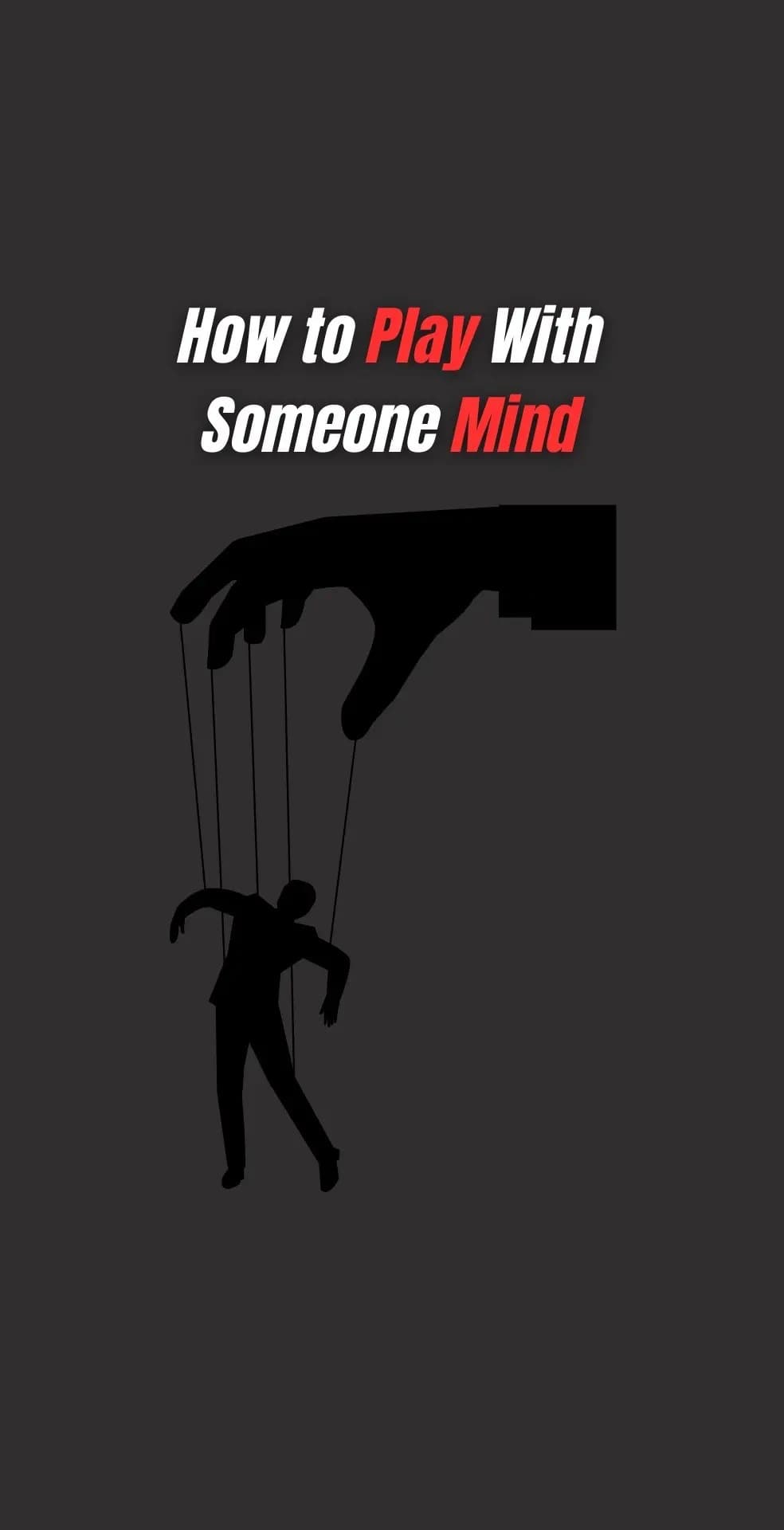

How to Play With Someone Mind: the cited six-slide winner from 7 December 2023.
Same-creator controls
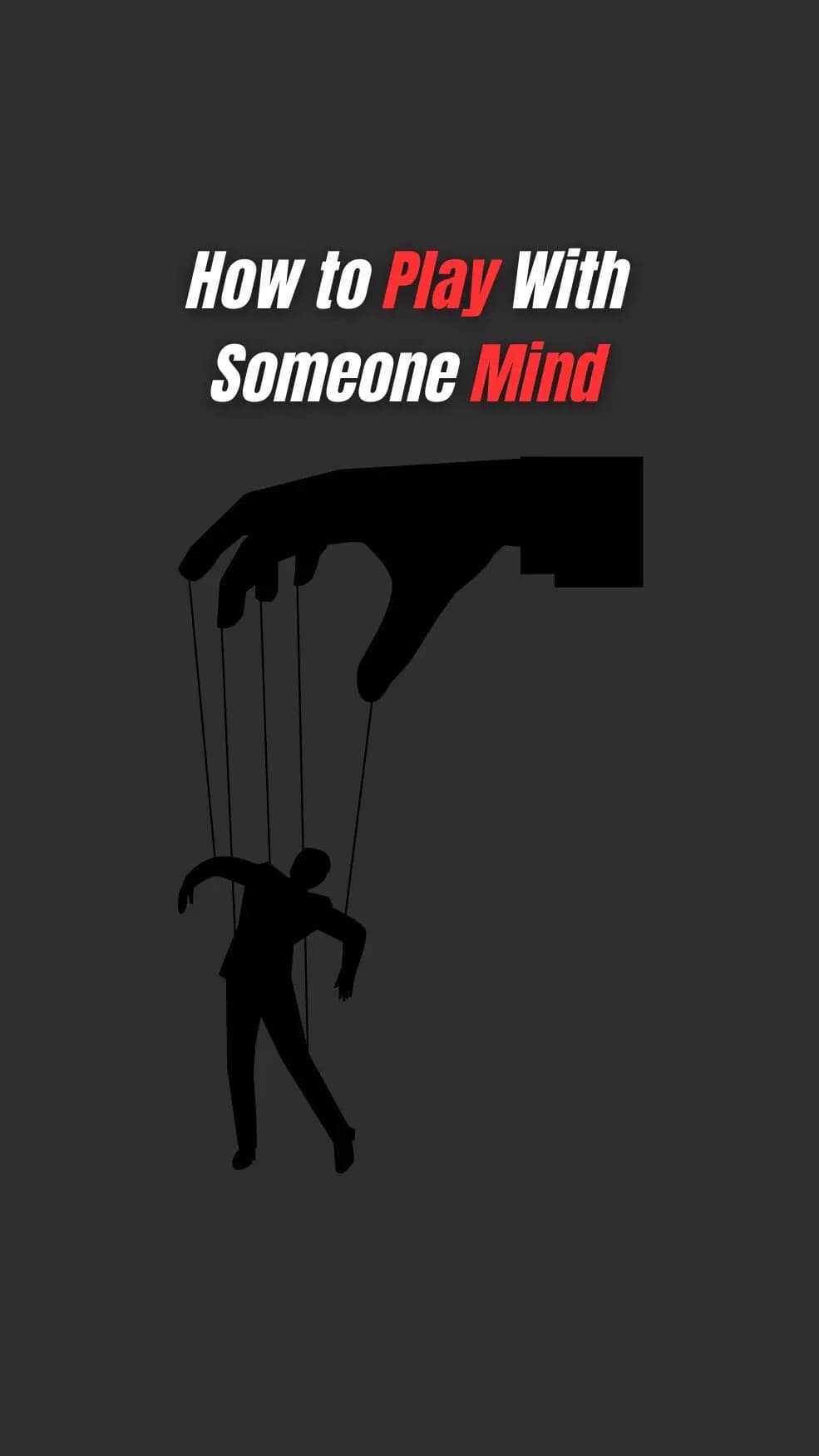
The same puppet-hand opening and wording, posted 14 January 2024.
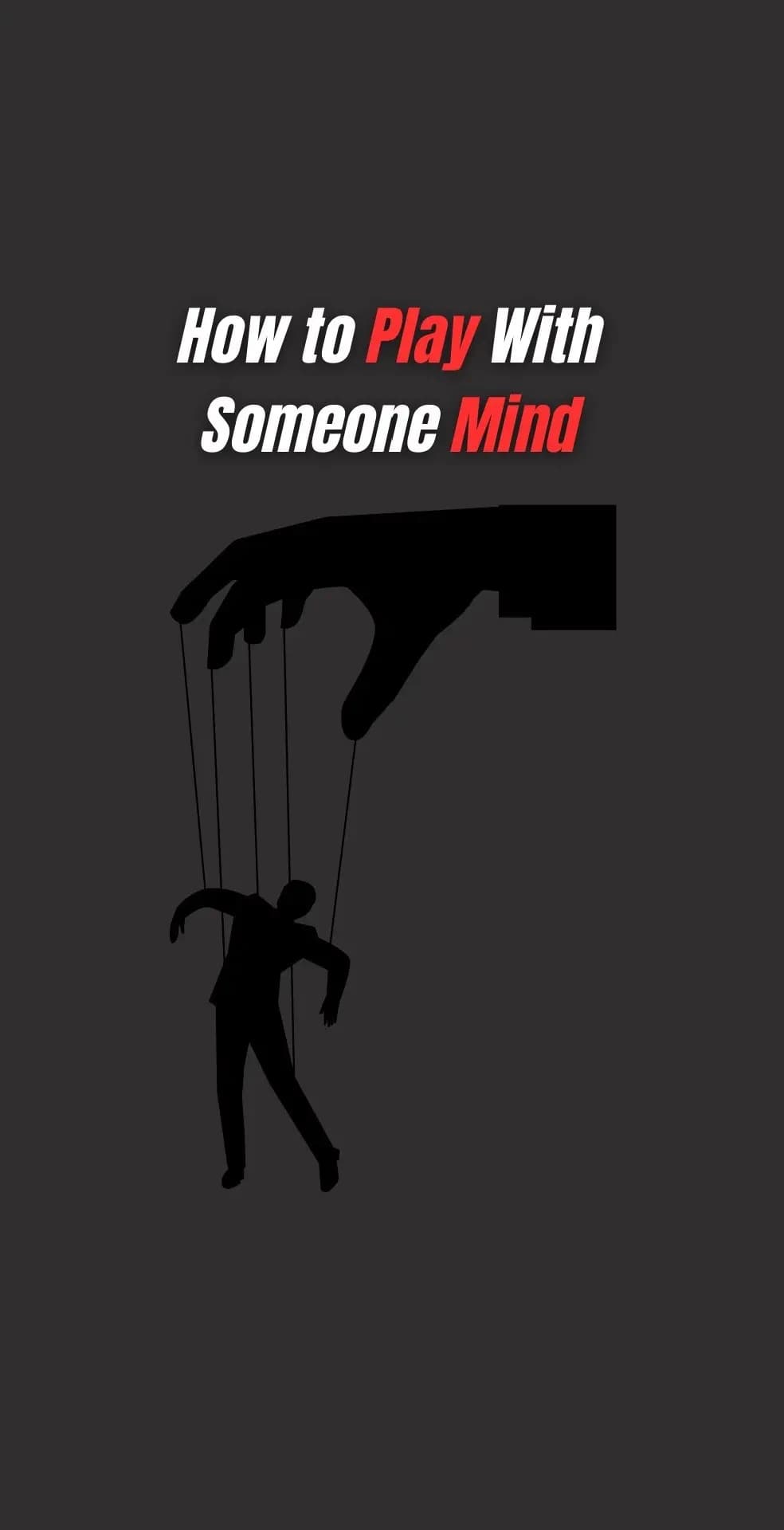
The same puppet-hand opening and wording, posted 27 February 2024.
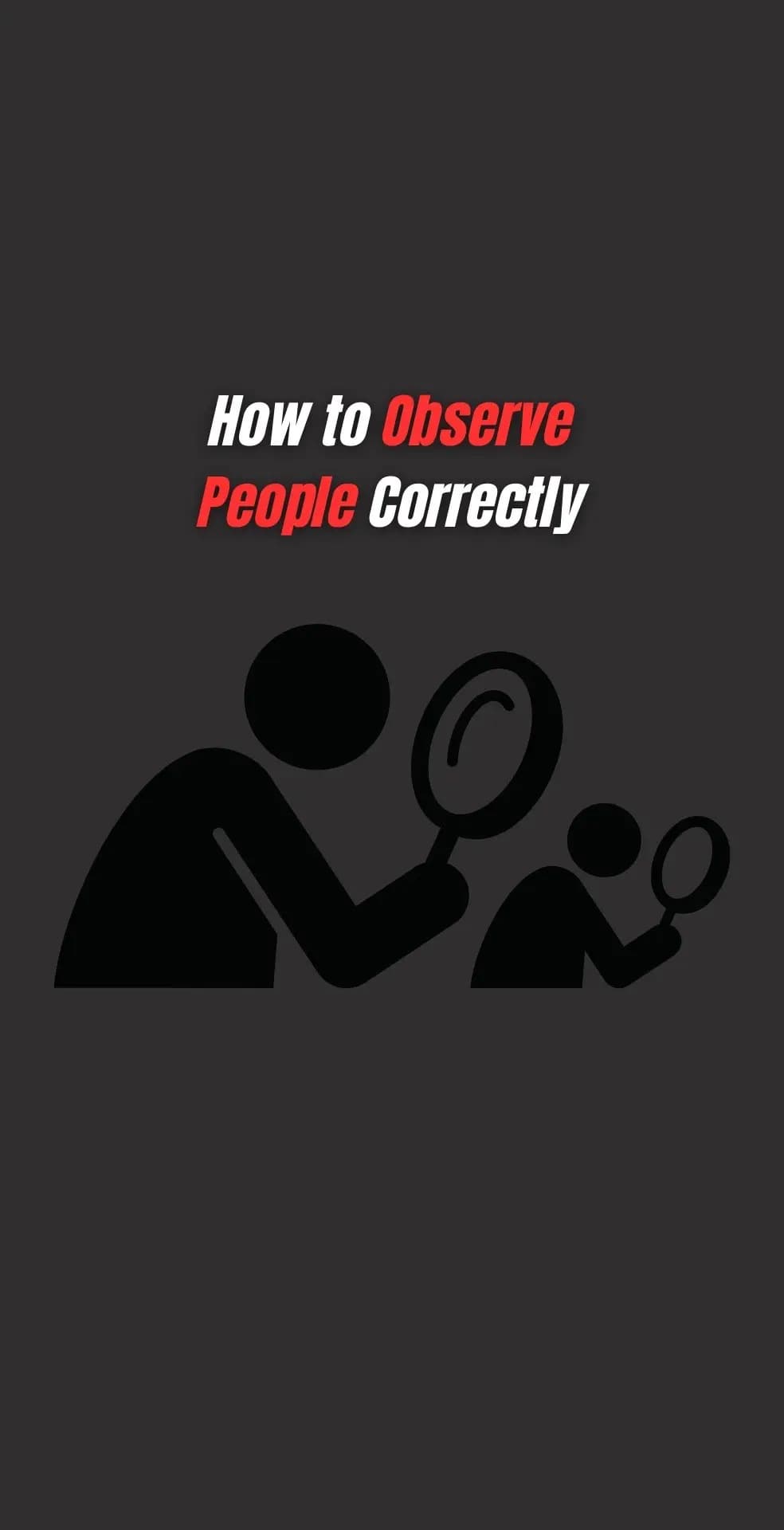
How to Observe People Correctly: matching visual language, ordinary result.
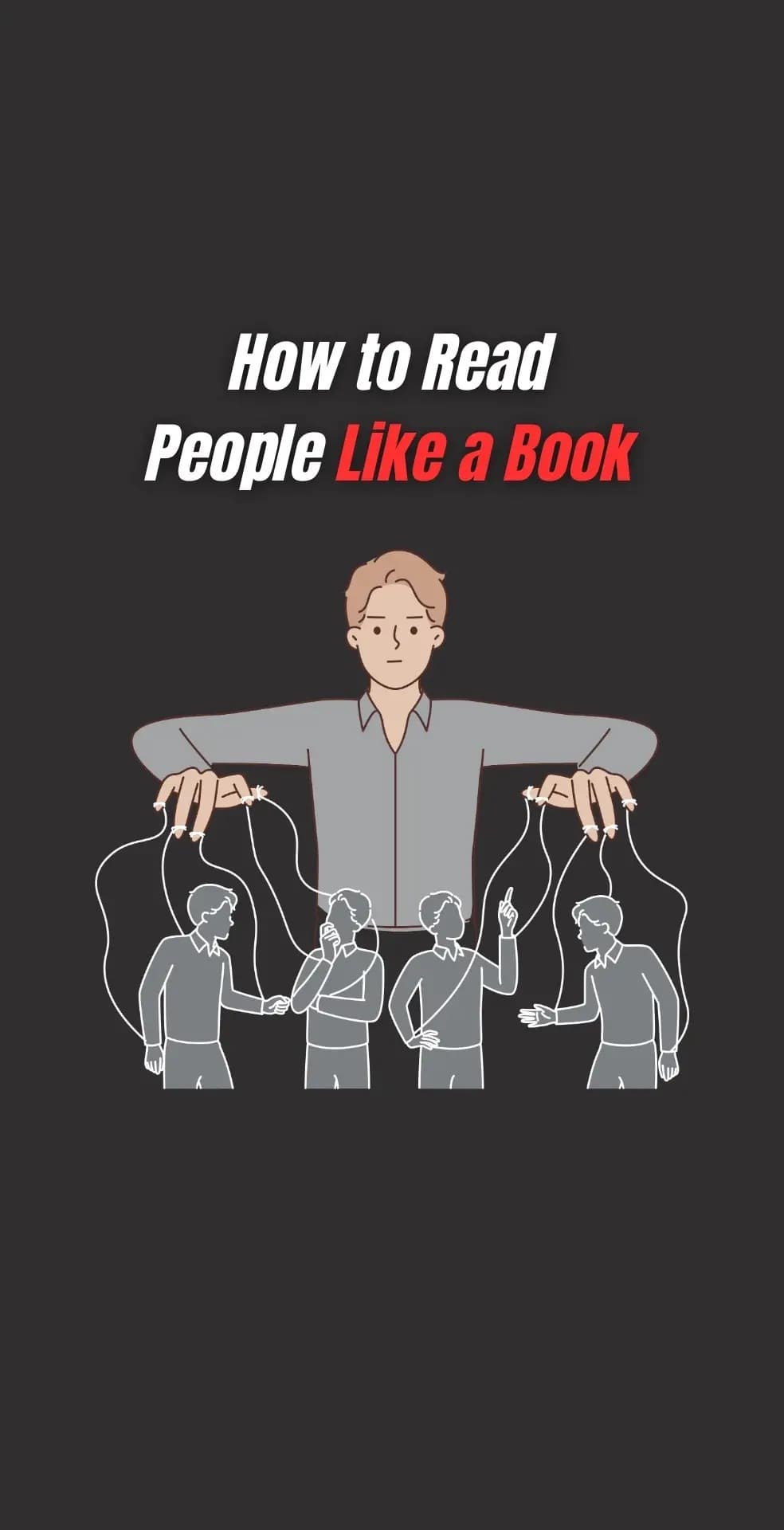
How to Read People Like a Book: adjacent topic and styling, ordinary result.
The “latest” creator response returned 36 photo posts spanning June 2023 to October 2025. Their median was 66,203 plays. The cited winner was 176.34× that median.
The slides were inspected, the public performance was verified, and a creator-relative baseline exists. There is no retention curve, click count, sale count, or controlled experiment. We can call it an outlier. We cannot assign its result to one visible feature.
The returned window also needs care. TikHub labelled the feed “latest,” but it did not produce a clean August 2026 recency sample. The newest returned upload was from October 2025, and several of the largest results were from 2023. I used the response as an account baseline and a source of same-creator counterexamples, not as a claim about current platform demand.
That distinction changes the conclusion. A random low-view post from another account would be weak evidence because audience size, production history, and distribution all change. Here, the most useful controls come from the same account, use the same photo mode, stay in the same psychology territory, and in two cases repeat the visible opening. They still are not controlled experiments—the later slides and publishing conditions can differ—but they remove far more alternative explanations than an unrelated viral example would.
The account baseline is also descriptive, not predictive. A median tells us how unusual the winner was inside the returned set. It does not say the next upload had a 50% chance of clearing 66,203 plays, or that 66,203 was the account’s stable “normal” across three years.
The actual six-slide beat sheet
Photo posts do not have timed video beats, so I snapshotted every slide. These are the images served by TikTok’s photo-mode CDN on 24 August 2026.
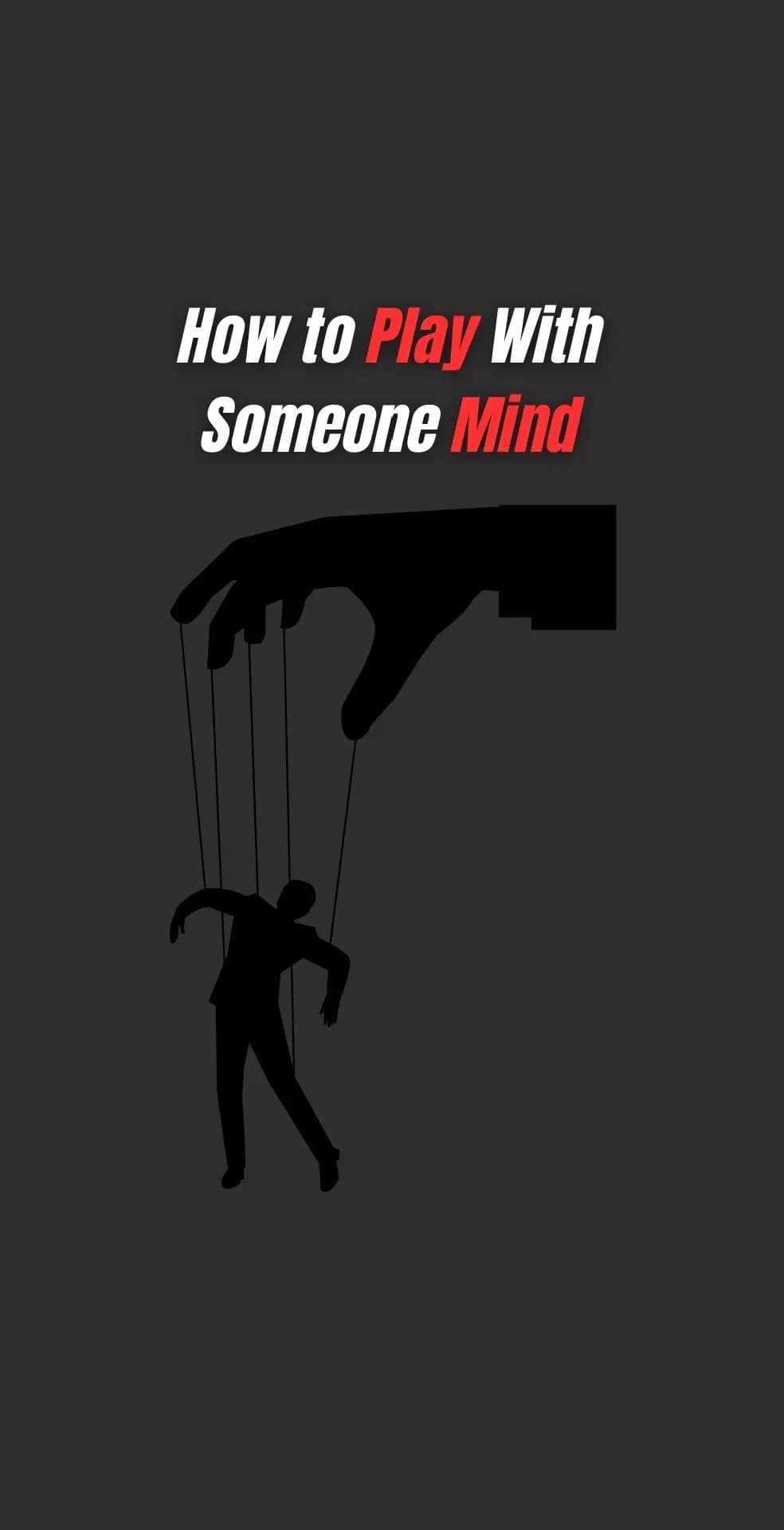
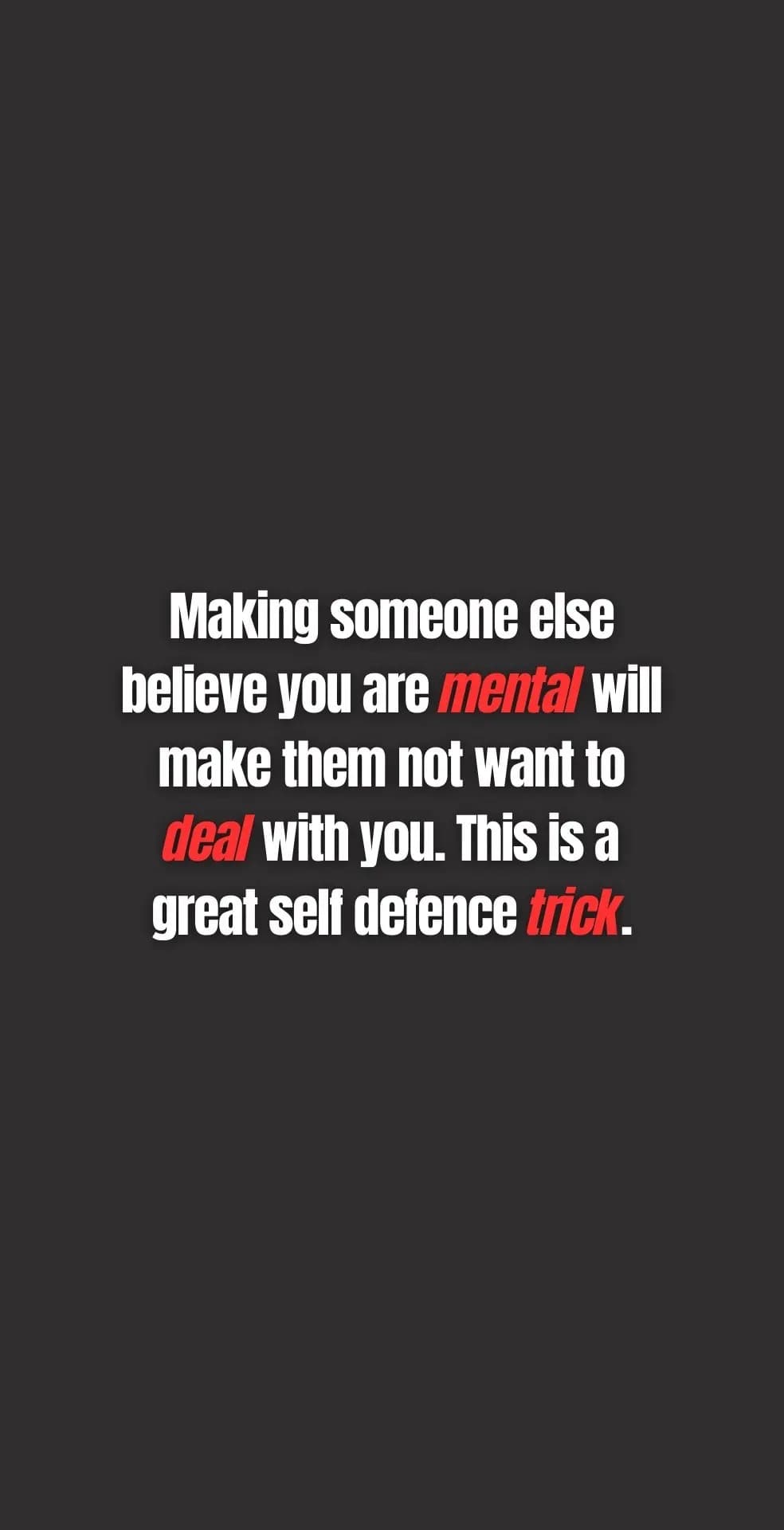
Slides 1–3, captured from the TikTok photo post on 24 August 2026. The opening makes one broad mind-control promise; the next two slides switch to separate tips.
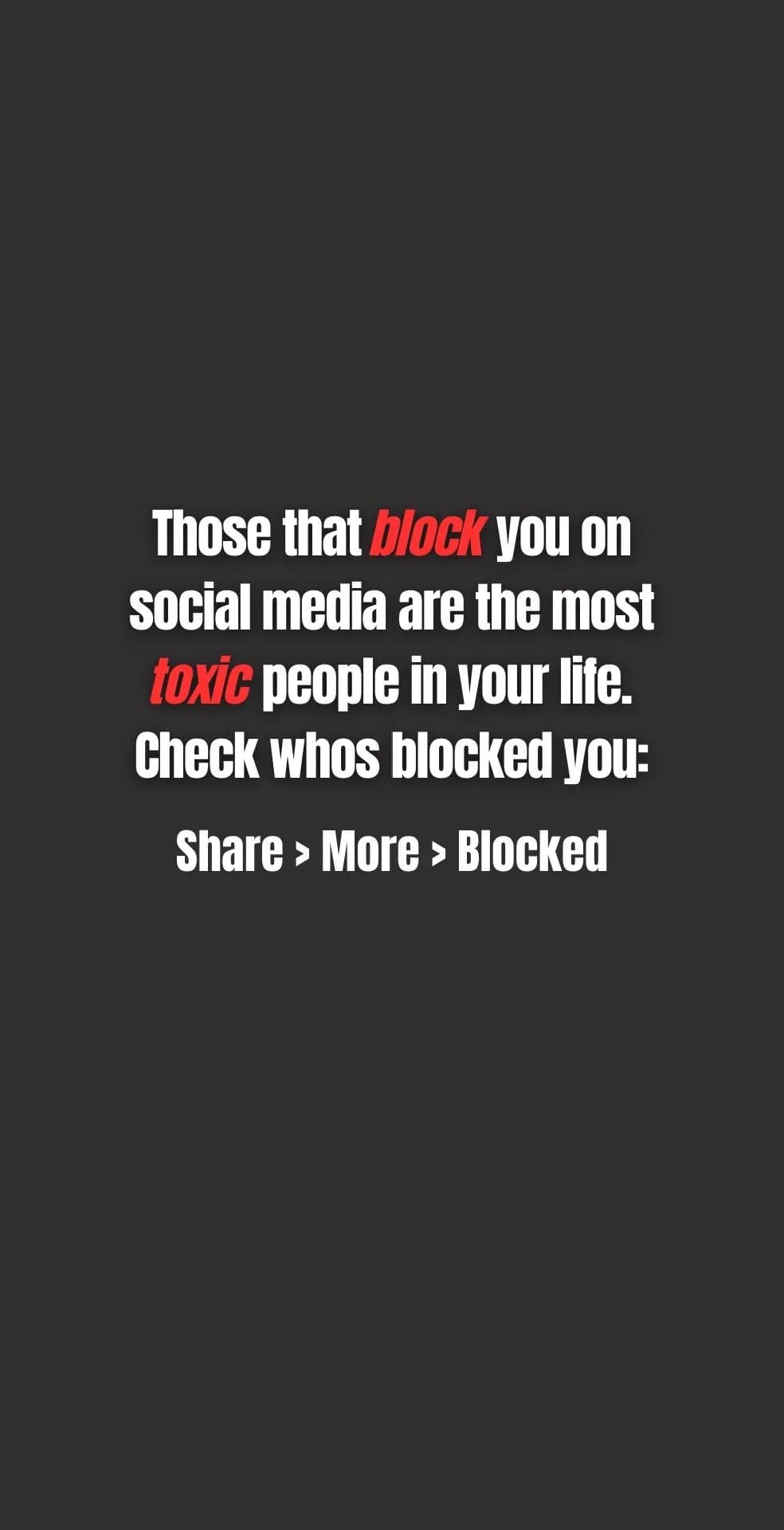
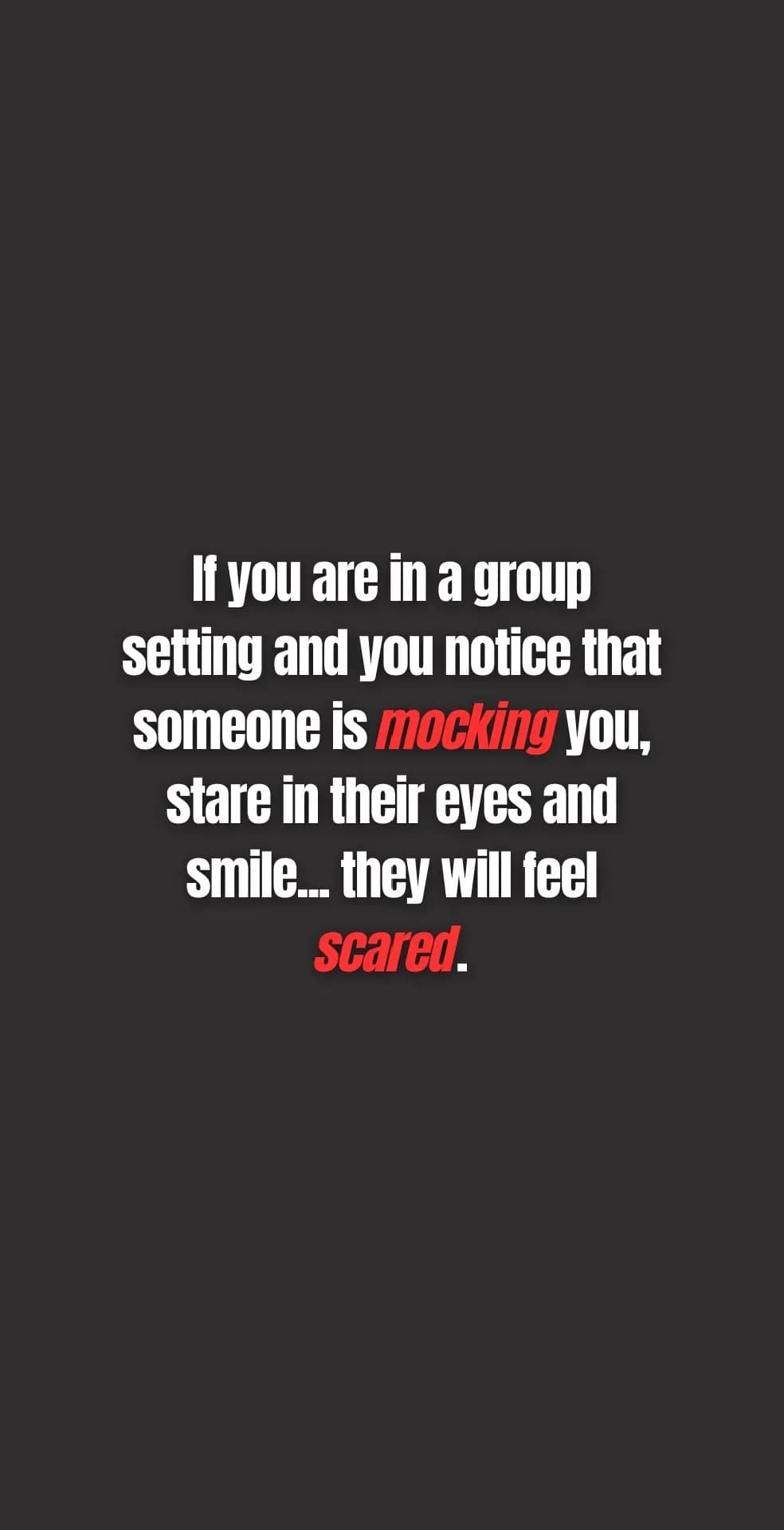
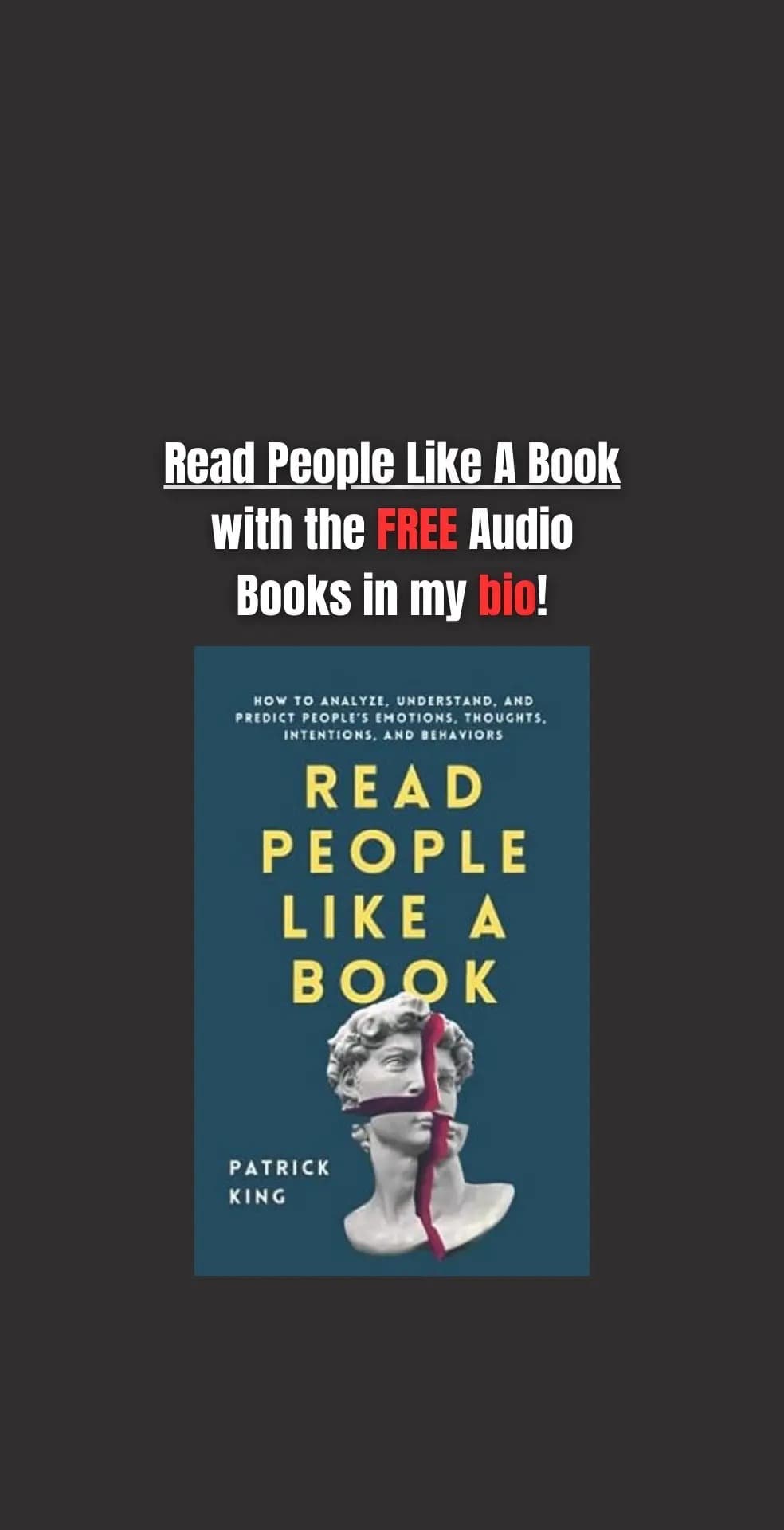
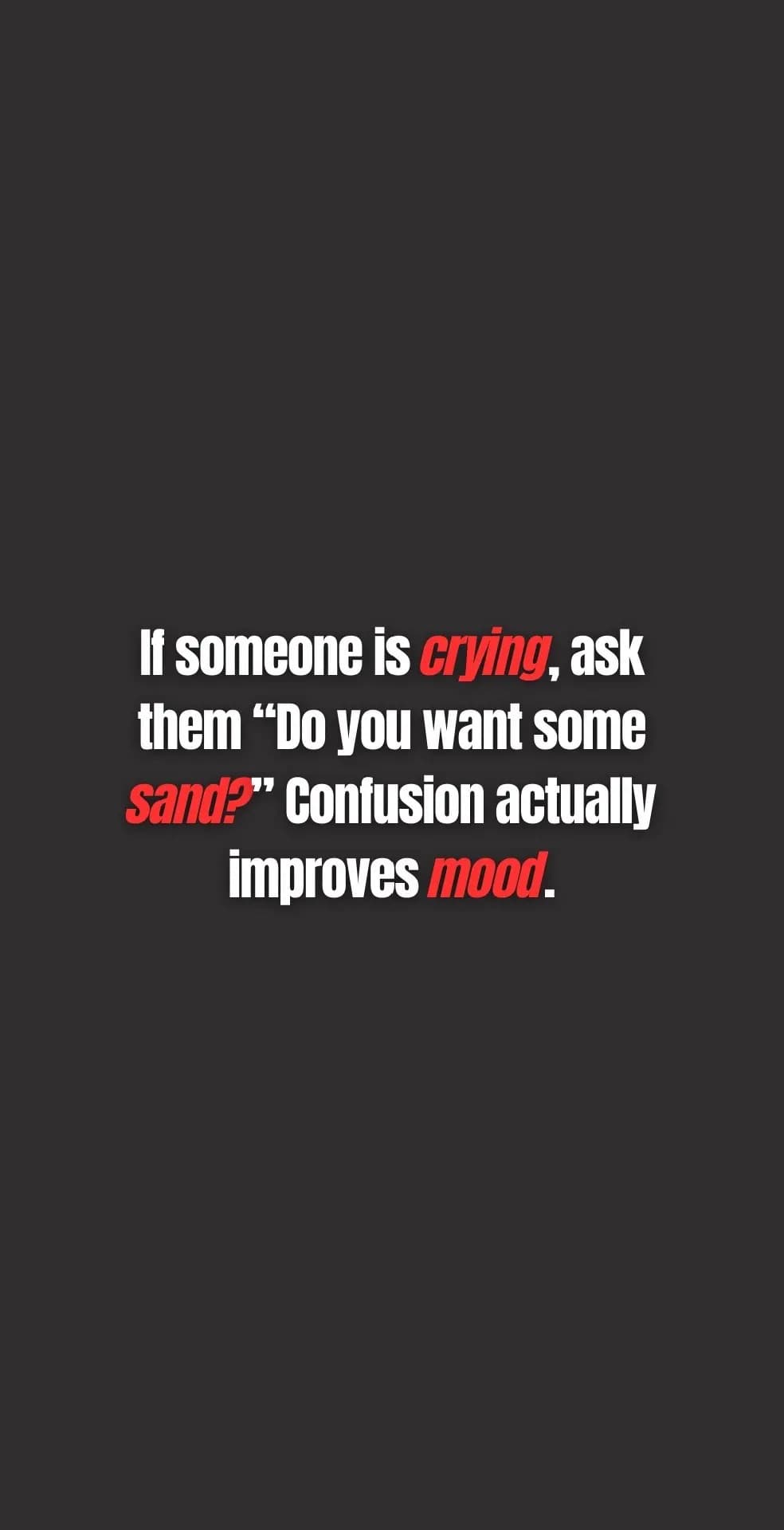
Slides 4–6, captured on 24 August 2026. Two more standalone tips lead into an audiobook offer. Public counters cannot show whether anyone bought.
The sequence is:
- Opening: Promise to teach the viewer how to “play with” someone’s mind, using a marionette image.
- Tip one: Interrupt crying with a strange question.
- Tip two: Act unpredictable as self-defence.
- Tip three: Inspect who has blocked you.
- Tip four: Stare and smile when mocked.
- Close: Get free audiobooks from the bio.
That is a list followed by an offer. The middle does not develop one claim, demonstrate a technique, or build a case. You could reorder slides two through five without damaging an argument because there is no argument to damage.
This matters because “the later slides pay off the hook” sounds more precise than it is. They stay inside the broad territory of manipulation and social behaviour. They do not prove the opening promise.
Three possible causes, three different tests
| Possible cause | What the public evidence supports | What a reader could test |
|---|---|---|
| Opening | The puppet-hand promise appeared on one 11.7M winner and two later posts at 70K and 65K | Keep topic and body close; change only the first-slide promise |
| Format | The account’s returned set was entirely photo mode, with ordinary six- and seven-slide controls | Compare a list with a connected sequence while holding the subject steady |
| Topic–proof loop | The winner’s middle is four interchangeable tips, then an offer | Make every slide answer one bounded question and remove any frame that does not |
Several causes may have helped together. The controls tell us what is insufficient, which is more useful than pretending they reveal a single cause.
Cause 1: the opening filtered for taboo curiosity
The first slide is blunt. “Play with someone’s mind” promises power, secrecy, and social advantage. The marionette makes the premise understandable before the sentence has been read carefully. Red words highlight “Play” and “Mind.”
That is a plausible attention filter for people already interested in manipulation content. It is also a broad promise: almost any ominous social tip can sit underneath it.
Then the same-creator controls land. On 14 January 2024, the account published the same wording and puppet-hand art in another six-slide post. It recorded 70,209 plays. On 27 February, the account did it again. That one recorded 65,016.
The cited winner had about 166× and 180× as many plays as those later replicas. This is unusually strong falsification for public creative research. We do not need to debate whether a “similar” visual was close enough. The visible opening was effectively the same.
It may have been necessary for the winner. It was plainly not sufficient.
The date may explain part of the gap, but public evidence cannot tell us how much. Audience fatigue, distribution, different later slides, account momentum, and unobserved platform conditions all remain possible. A neat hook rule cannot survive two near-duplicate counterexamples, so it should not be sold as one.
Cause 2: the format made swiping easy, not inevitable
All 36 posts in the returned creator set were photo mode. The account repeatedly used dark grey cards, condensed white type, red emphasis, simple black illustrations, and list-like sequences. This was an account language, not a rare execution reserved for the winner.
The ordinary controls make that visible. A six-slide “How to Observe People Correctly” post reached 67,390 plays. A seven-slide “How to Read People Like a Book” post reached 57,937. Both preserve the same topic family and visual system.
Photo mode probably reduced the cost of continuing. One claim per card is easy to scan, and the treatment tells the viewer what the next swipe will feel like. That is a format affordance, not evidence that six slides receive special distribution.
The stronger test is structural. Keep one premise and build two versions: one as independent tips, another as a sequence where each slide resolves part of the opening. If both use the same visual treatment and offer, the comparison can teach you whether the body structure matters.
Changing the topic, art, promise, slide count, and close in one go is not a test. It is several creative decisions wearing a lab coat.
Cause 3: topic demand carried a weak proof loop
The original sequence is more interesting because the proof loop is weak.
Slide one implies a method for controlling someone. Slide two offers a confusion tactic. Slides three through five jump among avoidance, blocking, and intimidation. The cards share a mood, but they do not accumulate evidence. Slide six changes from advice to promotion.
The post still collected 291,797 saves and 168,787 shares in the direct snapshot. Those are observed actions, not measured reasons. We do not know which slide prompted them, whether people completed the sequence, or whether the numbers came from the topic, the tips, the creator’s audience, or distribution after early performance.
This suggests a narrower diagnosis: the broad “forbidden social knowledge” topic was large enough to hold several disconnected tips. The format packaged them cleanly. The opening labelled the package. None of that proves that disconnected tips are the mechanism to copy.
For a portable version, make the first slide more bounded. Promise one social situation, one mistake, or one decision. Then make every later frame resolve that exact question with an example, consequence, or action. The final content slide should complete the promise before the offer appears.
The offer is not conversion evidence
The caption says “Buy my series.” The final slide says the audiobooks are free in the bio and shows Read People Like a Book. The exact commercial path is already muddled: buy in the caption, free on the slide.
That does not mean the close failed. It means the public evidence stops before conversion. Plays establish reach. Likes, comments, shares, and saves describe public engagement counters. None reports profile visits, audiobook downloads, purchases, or revenue.
If you are adapting this for an app, choose the business outcome before publishing. A smaller post that brings qualified sign-ups may beat an 11.7M-view curiosity asset. This sample cannot decide that for you.
What this case study suggests testing
If you want to test the mechanism on your own content, do not clone the puppet hand. The same creator already repeated it twice, with much smaller results.
Run a narrower test:
- Choose a current topic your audience can verify or use.
- Write two first-slide promises for the same bounded question.
- Keep the visual treatment, body sequence, offer, and publishing window as close as practical.
- Make each middle slide pay down the opening promise.
- Compare both results with recent ordinary posts from the same account.
- Record reach and the business outcome separately.
Use the parent why this video worked method to name several causes, find the right control, and change the smallest useful variable. A later relationship-advice list, with a contradiction open instead of a taboo title, is in why the red-flag-to-keeper slideshow worked.
The honest lesson from this 2023 winner is not that taboo title plus five tips plus a bio close is a current formula. It is that a strong opening can coexist with a weak sequence, and even an exact opening can fail to reproduce the result. Two later replicas made that clear. The algorithm has declined to become a motivational quote.
Keep reading
Diagnosis
TikTok hold rate: when the hook works but viewers leave
Diagnose a weak TikTok hold rate after the hook by checking the promise, pacing, audience fit, and the exact retention metric you are reading.
Diagnosis
Why this CareSkin before-and-after TikTok slideshow worked
A 12.5M CareSkin before-and-after TikTok slideshow mixed an acne glow-up, an app reveal, and product proof. See what the evidence supports.
Diagnosis
Why this Costco snack-list TikTok slideshow worked
A 9.6M Costco snack-list TikTok slideshow put a useful list before the app reveal. See which parts of the app-marketing format are worth testing.