
Diagnosis · Updated 24 August 2026
Why this journal-prompt TikTok slideshow worked
A 3.6M TikTok slideshow used a sad-meme opening, journal prompts, and a PDF reveal. See what digital-product marketers can test without overclaiming sales.
The first slide did not sell a journal. It selected a viewer willing to answer a painful question. The book and prompt only arrived after that viewer had swiped twice.
That sequence is the useful part of this four-slide TikTok photo post. “Sad meme, then PDF” is an easy template to copy. It is also a bad diagnosis of why the post reached 3.20 million plays.
This is an independent case study of public third-party content, not a reels.chat campaign or customer result. reels.chat did not create or publish the content and has no private campaign analytics for it.
The claim got cleaner than the evidence
An X explainer published on 21 August 2026 described the example as a 3.6 million-view prompt format that sold a PDF journal. It gave us a good lead and a hypothesis: emotional challenge, question, product, prompt.
Then we fetched the post, all four slides, the profile, and same-account controls through TikHub.
On 24 August, the direct post snapshot showed 3,202,965 plays, 203,509 likes, 9,155 comments, 11,171 shares, and 24,811 saves. The 3.6 million claim was not the live public count we could reproduce.
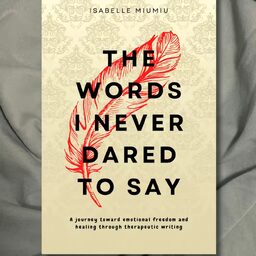
The sales claim is less certain. Slide three shows the cover of The Words I Never Dared to Say. Slide four shows an open printed page. Neither the post counters nor the captured slides show PDF sales, a checkout, or conversion data. Nearby captions from the same account call the product a book available on Amazon.
We can diagnose attention and public interaction. We cannot turn those counters into a PDF conversion case study.
One cited breakout and four ordinary same-creator controls
Public counters captured on 24 August 2026. The baseline is the 2,423-play median across 12 photo posts returned by the latest feed.
Cited breakout

A crying challenge, a setup reply, the book cover, then one printed journal question.
Recent ordinary controls
A recent three-slide mental-health and journaling book post from the same creator.
A three-slide book post using the same mental-health territory, with an ordinary result.

A three-slide post that explicitly asks for answers in the comments and names the book.

Another three-slide book and journaling post from the same creator’s recent feed.
The account had 153,375 followers in the successful profile snapshot. The latest creator feed returned 12 photo posts with a median of 2,423 plays. Against that reference, the cited post was a 1,321.9× outlier.
That number needs a warning label. The returned photo set spans March 2025 to August 2026 because it includes an older high performer among recent posts. The eight ordinary controls we retained are from July and August 2026, months after the cited post. They control for account, product territory, and photo mode better than an unrelated viral example, but they do not control for timing.
The hot feed adds another boundary: this account has multiple million-play photo posts. The cited example is enormous against the current ordinary median, but it is not a lone miracle on an otherwise quiet account.
One X explainer is not prevalence. One creator’s winner set is not a platform-wide trend either.
Start with the four beats in the digital-product slideshow
Photo posts do not have timed video beats. The evidence is the captured slide order.


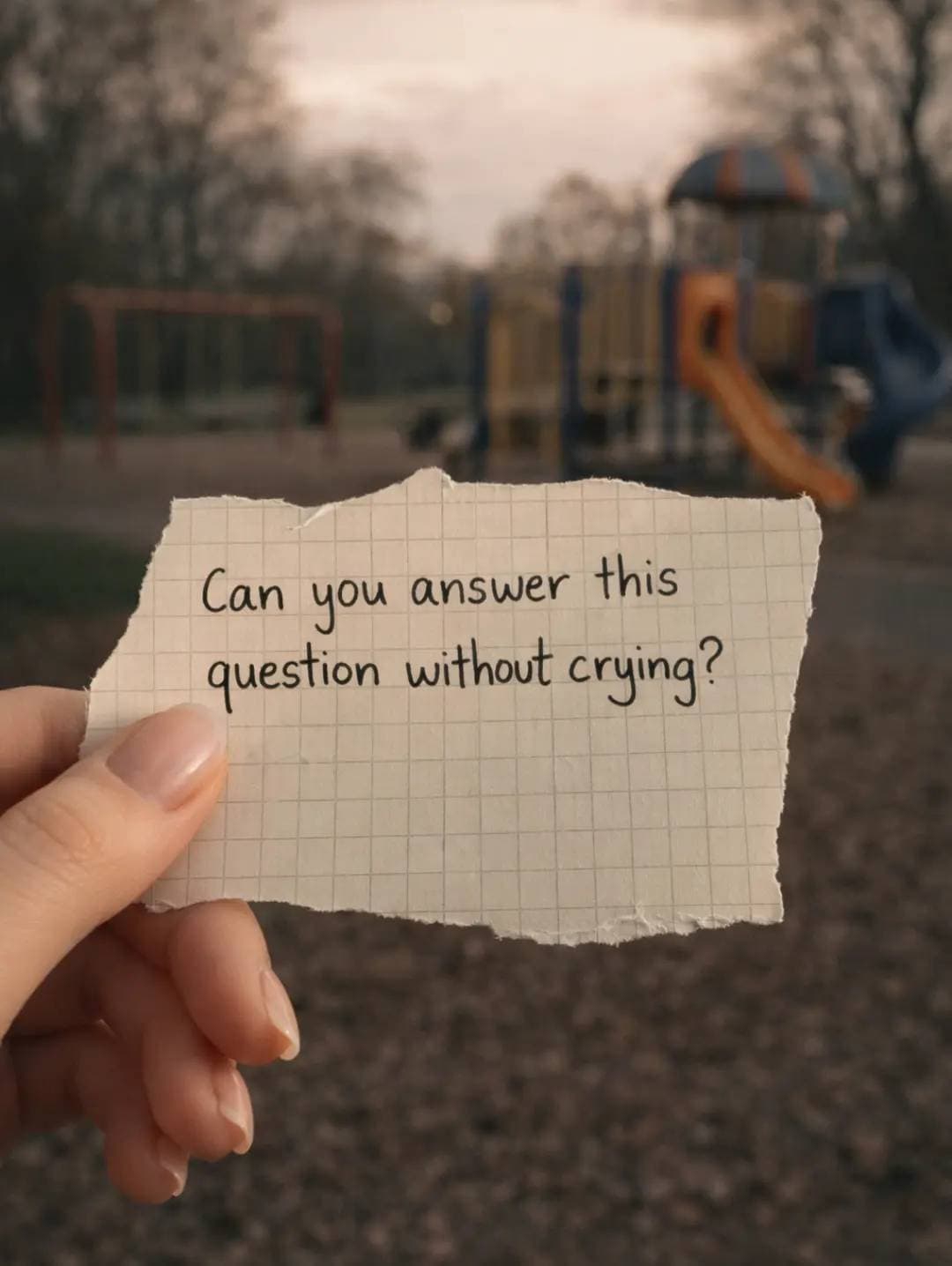
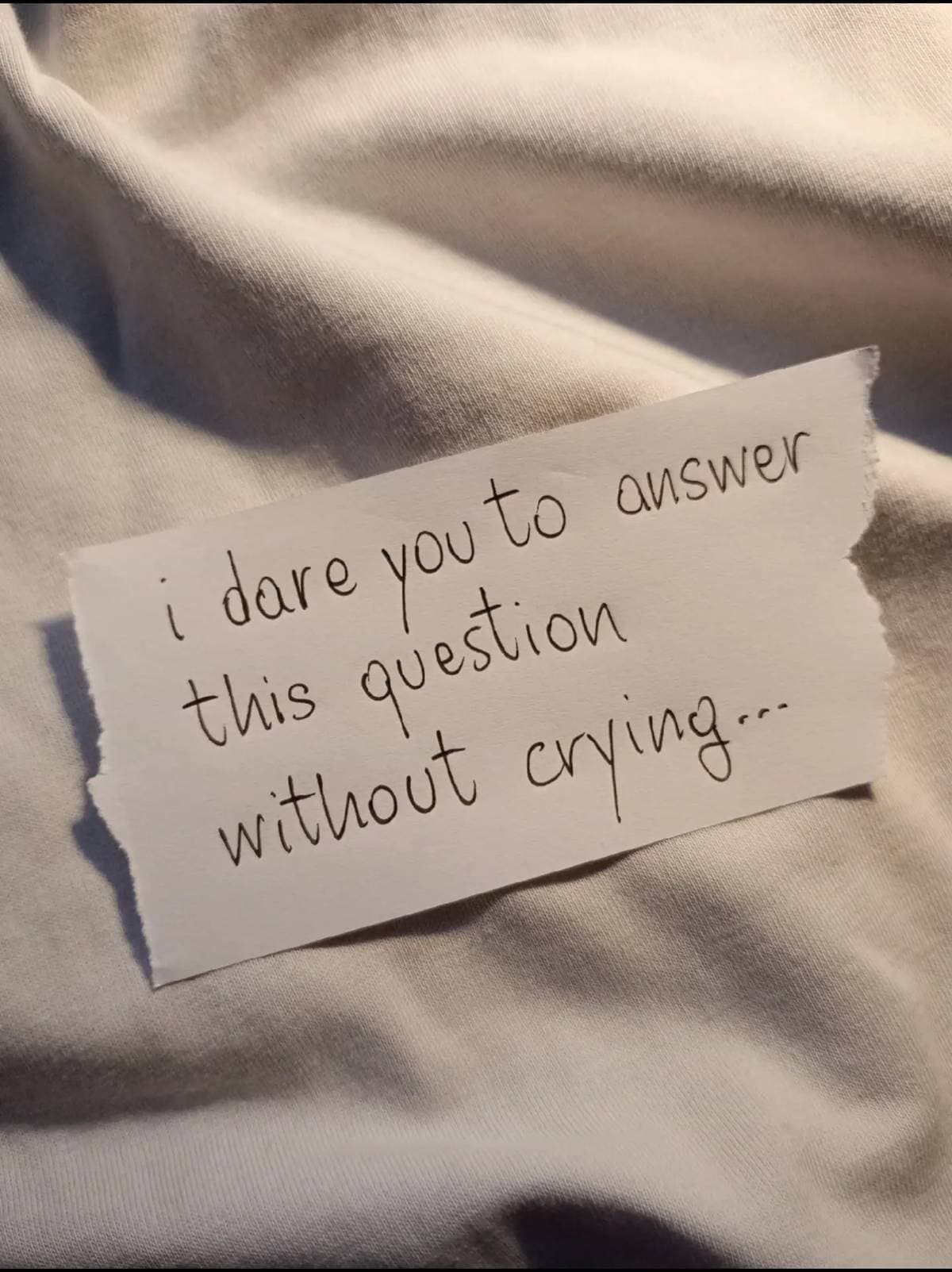
Slides 1–2, captured from TikTok on 24 August 2026. The opening makes a crying challenge; the second slide answers with a two-word setup: “what question?”
- Challenge: “I dare you to answer this question without crying.”
- Delay: “what question?”
- Object: the book cover appears before the question.
- Payoff: an open page asks, “When you leave, who will set at your grave the longest?”
The printed page says “set,” not “sit.” We have kept the wording as captured rather than silently fixing it.
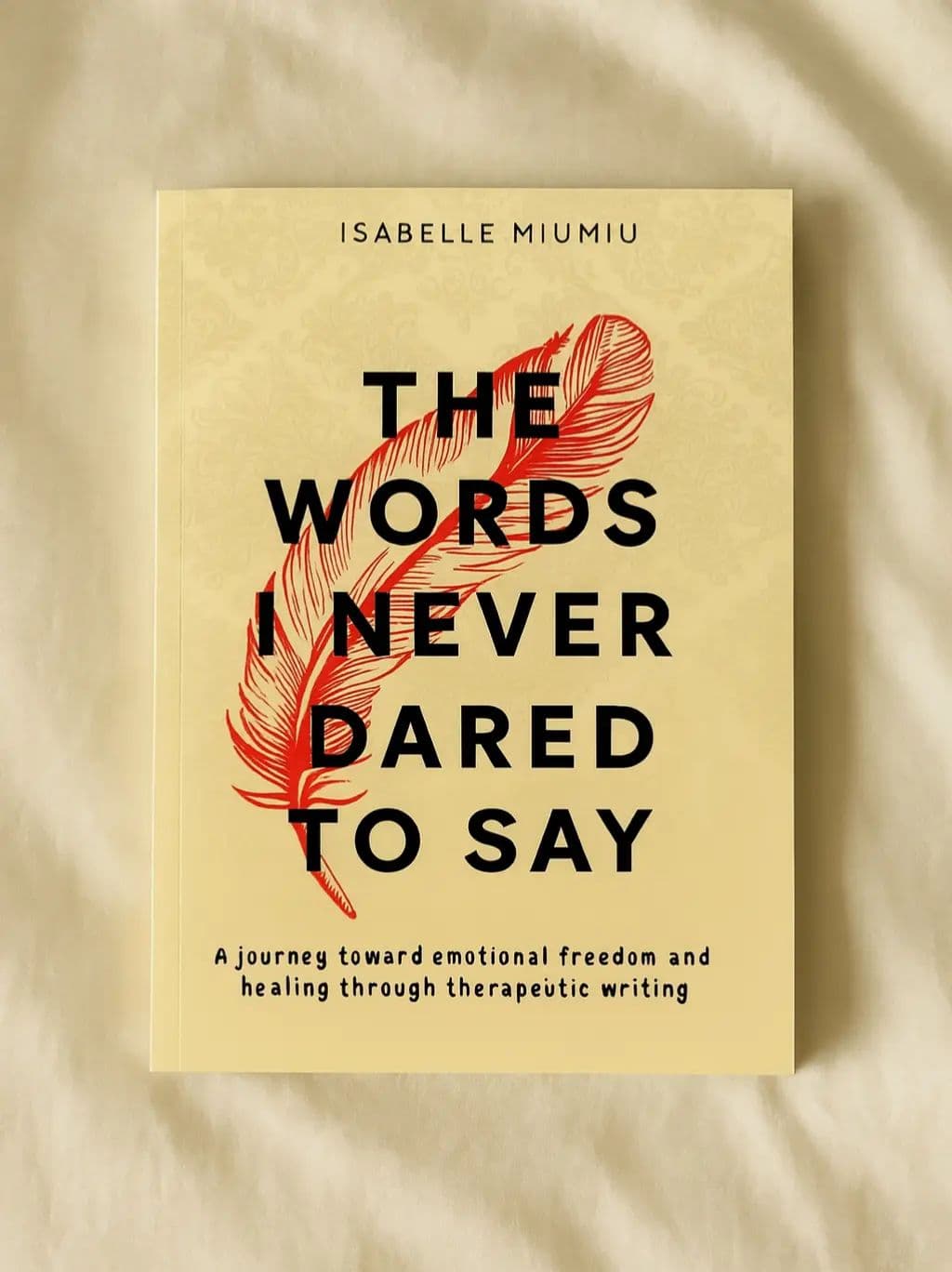

Slides 3–4, captured from TikTok on 24 August 2026. The product is shown as a photographed book, then the final page delivers the promised question.
This beat sheet changes the analysis. The post does not open with a journal prompt. It opens with a reaction challenge attached to a familiar meme-like scene. The actual prompt is withheld until the last slide. The product cover is inserted between setup and answer.
Three causes, with three different tests
| Possible cause | What the public evidence supports | What a reader could test |
|---|---|---|
| Opening | The crying challenge selects a mood and creates a reason to reveal the prompt, but the public snapshot cannot isolate its contribution | Keep the question, product image, and final page fixed; rewrite only slide one |
| Format | Four stills carry meme, delay, product object, and payoff, while the account controls do not establish four as a magic number | Preserve the message; compare three, four, and five useful beats or a short video |
| Topic–proof loop | The photographed book makes the delayed question tangible, but public counters cannot show whether it produced sales | Keep the opening and final question; remove or replace only the book-cover slide |
Public counters cannot isolate any row. They tell us the package travelled. The controls and captured slides let us reject some lazier explanations.
Opening: sadness is too broad an explanation
Slide one combines three things: a recognisable scene, a direct dare, and an emotional cost. The viewer is not promised generic inspiration. They are invited to prove they can face one question without crying.
That matters because the challenge creates participation before the question exists. A person can already take a side: “I can handle it,” or “this might get me.” Either reaction gives slide two a job.
The ordinary same-account controls weaken the claim that mental-health language, journaling, or a book mention is enough. The four cards above use the same broad territory and the same photo-post format. They reached 1,553–2,606 plays, not millions. One even asks for answers in the comments and still measured 1,553 plays.
The clean opening test is not “sad meme versus cheerful meme.” Keep the remaining three slides fixed. Compare the crying dare with a direct question, a quieter confession, or a specific audience cue. Then inspect slide progression if you have account analytics. Views alone cannot tell you whether the opener selected people who reached the product and prompt.
Format: four is the result of the sequence
Four slides fit because this idea has four separate jobs. Challenge, delay, object, answer.
Still images also suit written material. The viewer controls the pace, and the final page can be paused or reread. There is no voiceover rushing through a sentence designed to make someone stop and think.
None of that makes four a magic number. The recent ordinary controls use three images and stay ordinary, while the hot feed includes successful three-, four-, and five-image posts. Across this one account, slide count is clearly not sufficient.
The useful production rule is more boring: one new job per swipe. If the setup and question fit on one slide without losing tension, three may work. If the prompt needs context, five may work. Adding a slide to match this winner is cargo cult with pagination.
Topic–proof loop: the product interrupts and authenticates
Slide two opens a debt: what question?
Slide four pays it. The question is personal, concrete, and easy to answer publicly or privately. The 9,155 comments are consistent with that invitation, but we did not fetch and classify the comment text, so we cannot claim those comments were answers.
Slide three is the interesting risk. At peak curiosity, the sequence cuts to a product cover. That can feel like an ad interruption. Here it may also authenticate the payoff. The next slide is not loose text on a stock background; it is photographed as a page from the object just shown.
This is why “sad meme to PDF” misses the useful mechanism. The cover is not the payoff. It is a bridge that makes the final prompt feel sourced from a real, authored object.
It is also testable. Publish the same opening, setup, and final question with two middle treatments. One shows the book cover. The other goes straight to the page or uses a neutral transition. If the cover version loses progression before recovering comments or clicks, the interruption has a cost. If it improves downstream action without hurting progression, it is doing proof work.
What the controls falsify
The same-account pull gave us a better result than a hook list:
- Book and journaling captions did not guarantee distribution.
- Asking for comments did not guarantee comments at scale.
- Three-image photo mode could be ordinary or reach millions in the hot set.
- This account already had repeated million-play successes, so the result cannot be credited to one newly discovered template.
The evidence does not falsify the emotional opening, the swipe structure, or the object-to-prompt handoff. It narrows them into hypotheses.
It also exposes a timing problem. Comparing a December 2025 winner with July–August 2026 ordinary posts mixes creative differences with audience and distribution changes. A stronger contemporaneous control would sample nearby December posts and inspect their actual slides. We do not have that complete set here, so the 1,321.9× ratio should establish “large creator-relative separation,” not causal precision.
What this case study suggests testing
If you want to test the mechanism on your own content, start with the part that survives the evidence: a difficult question, delayed just long enough to create a reason to swipe, then delivered in a form that feels real.
Run three tests separately:
- Opening: keep slides two through four and change only the first-slide framing.
- Product proof: keep the challenge and final question, then compare a cover slide with no cover.
- Payoff: keep the sequence and replace only the final question with one that is broader or less answerable.
Measure the metric attached to each claim. Slide progression tests the opening and handoff. Comments and saves can support a prompt-use hypothesis. Clicks or purchases from your own analytics are required for a sales claim.
The parent method, why this video worked, starts from the same discipline: list materially different causes, find evidence that can separate them, then change the smallest thing. Another stealth-product carousel is diagnosed in why the Costco snack-list slideshow worked.
The PDF-journal story is tempting because it compresses a 3.20 million-play result into four reusable ingredients. The captured post says something more useful. The meme selects the mood. The two-word delay creates a debt. The book cover makes the answer tangible. The final page pays off the swipe.
Copy that investigative structure, not the crying man.
Keep reading
Diagnosis
TikTok hold rate: when the hook works but viewers leave
Diagnose a weak TikTok hold rate after the hook by checking the promise, pacing, audience fit, and the exact retention metric you are reading.
Diagnosis
Why this CareSkin before-and-after TikTok slideshow worked
A 12.5M CareSkin before-and-after TikTok slideshow mixed an acne glow-up, an app reveal, and product proof. See what the evidence supports.
Diagnosis
Why this Costco snack-list TikTok slideshow worked
A 9.6M Costco snack-list TikTok slideshow put a useful list before the app reveal. See which parts of the app-marketing format are worth testing.